Song Meaning
The lyrics paint a stark picture of grief and injustice, opening with a visceral image of a crime witnessed "una mañana." The narrator's sorrow is explicitly "de sangre humana," immediately establishing a tone of profound loss and violence. The mention of "Julián Grimau, hermano" grounds the lament in a specific, personal tragedy, amplified by the chilling repetition: "Te asesinaron, te asesinaron." This isn't just sorrow; it's a raw, immediate reaction to brutal murder.
The song then expands this personal pain into a collective suffering. The narrator states that "no nace en la tierra ni un pensamiento / Que no lleve esta pena dentro del cuerpo," suggesting the trauma has permeated the entire community. The "canto" (song) itself is born from this "dolor de mi pueblo," with the guitar's strings becoming "compañeras de nuestro llanto." This elevates the personal grief to a shared burden, where art becomes a direct expression of collective mourning.
A powerful contrast emerges between those who "viven de la venganza" and the people who "mueren los pueblos por la esperanza." This highlights a societal sickness where the powerful profit from conflict while the innocent perish for ideals. The imagery of "Las piedras del camino / Hoy sangre llevan" is particularly striking, suggesting that even the inanimate landscape bears the marks of this bloodshed. The narrator's lament that their "tierra" sounds "amargo" underscores the pervasive bitterness.
Despite the overwhelming darkness, a flicker of defiant hope persists. The lyrics anticipate the future birth of "trigo joven" and a day when "razones" will no longer be "pisoteadas." The final lines offer a direct address, a belief that the victim, "Tú," will eventually be reunited with them, "Como querías." This enduring faith in eventual justice and reunion, even amidst profound despair, is what gives the song its enduring emotional weight.
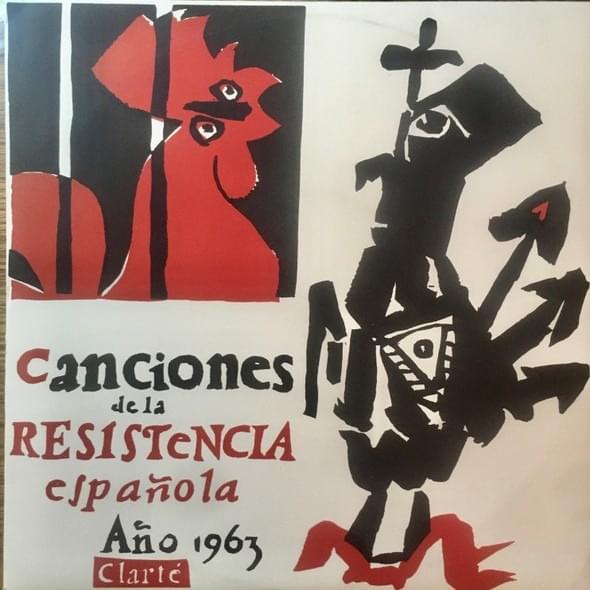
 View Artist