Song Meaning
The narrator crafts a persona of a predatory figure, a "maneater" who consumes men only to be discarded. This cycle of consumption and rejection is framed as a survival mechanism, albeit a self-destructive one. The repeated assertion of being a "survivor" clashes with the admission that "everything's my fault," highlighting a deep internal conflict between agency and victimhood. The lyrics suggest a pattern of self-sabotage, where the narrator actively "kick[s] myself down" and finds themselves metaphorically "on asphalt."
The central tension lies in the narrator's complex relationship with power and vulnerability. While they claim to "eat men up," they also admit to being "spit out" and forced to "swim in the saliva," a visceral image of enduring unpleasant consequences. This duality is further emphasized by the contradictory statements about their actions and their self-perception, creating a compelling portrait of someone struggling to reconcile their outward behavior with their inner turmoil. The desire for control is palpable, yet it seems to stem from a place of deep insecurity.
The most striking aspect of the writing is the raw, almost brutal honesty in its self-deprecation. Phrases like "Your boyfriend's pretty big, pretty big for a pussy" reveal a defiant, almost aggressive stance, yet it's immediately undercut by the plea, "If I'm on the roof, I hope you push me." This juxtaposition of bravado and a desperate cry for external validation or even destruction is a powerful commentary on the narrator's state of mind. The shift from "never gave a fuck" to "makin' better friends" and then back to "eat up men" illustrates a cyclical pattern of seeking connection and then reverting to destructive habits.
Ultimately, these lyrics resonate because they capture the messy, often contradictory nature of human behavior, particularly when dealing with relationships and self-worth. The narrator's struggle to define themselves – as a predator or a victim, a survivor or someone at fault – is laid bare. The raw language and stark imagery create an unflinching look at someone navigating a painful cycle, making their proclaimed survival feel both defiant and deeply fragile.
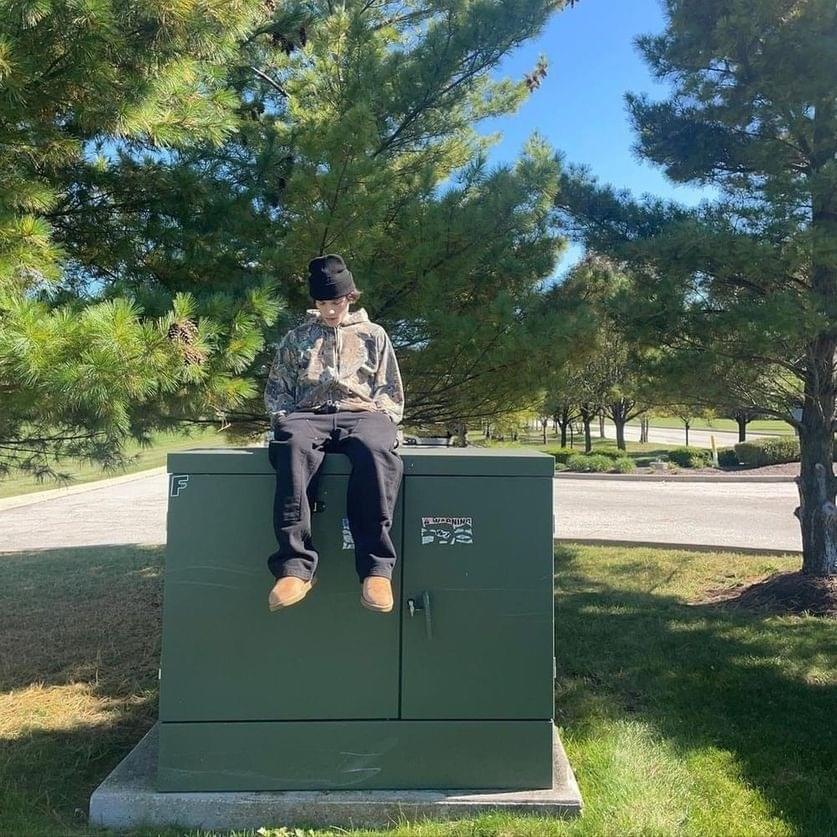
 View Artist