Song Meaning
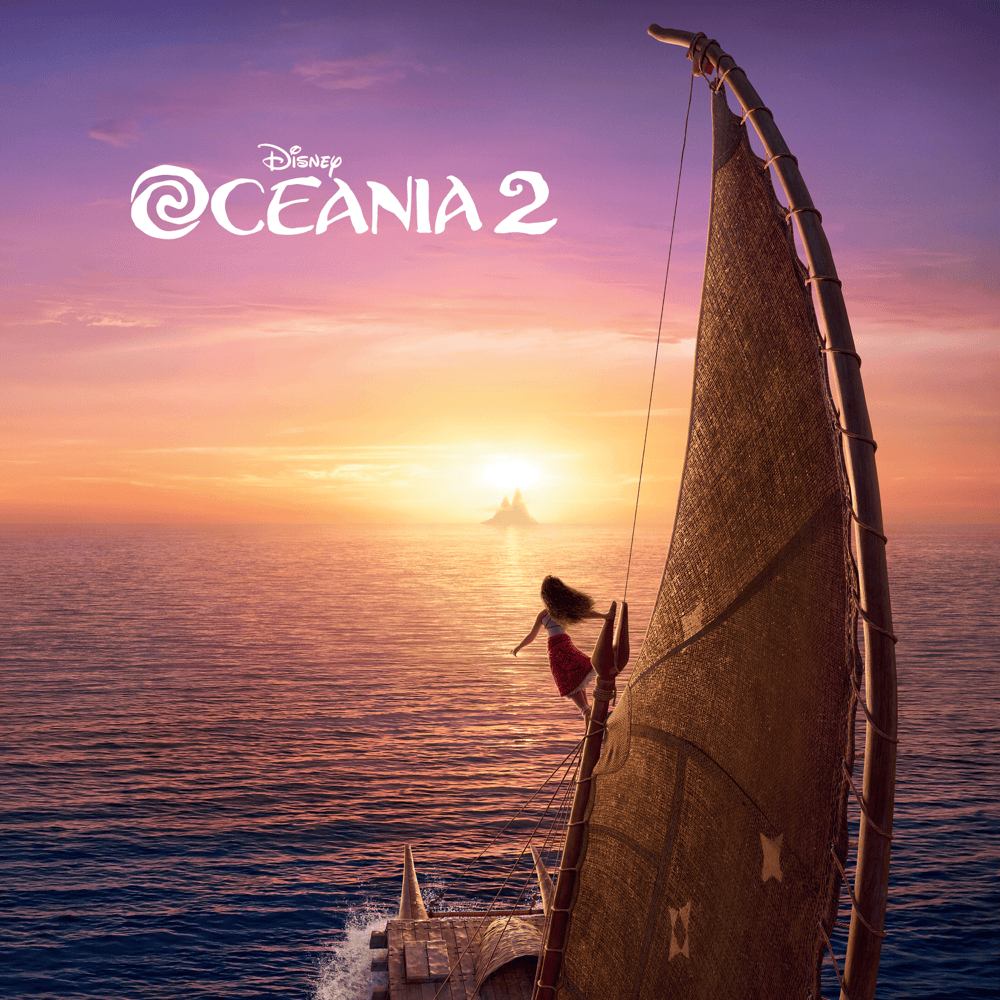
The lyrics paint a picture of embarking on an unknown journey, driven by a powerful collective will. The narrator declares an intention to go to a place previously unreached, emphasizing unity with their companions: "Fianco a fianco insieme a voi." This shared resolve is tied to the natural world, as the tide dictates their destination, pulling them "dove noi / Non siamo stati mai." The immediate goal is arrival, a point of no return.
The core tension lies between the certainty of departure and the profound uncertainty of what lies ahead. The phrase "Tutto ricomincerà" suggests a fresh start, a complete reset, but this hope is immediately met with a question: "Ma chissà cosa mai ci sarà?" The unknown is vast, stretching to the horizon where "il cielo l'orizzonte toccherà," a place of ultimate possibility and potential peril. This duality of hopeful renewal and anxious anticipation defines the emotional landscape.
The most striking element is the juxtaposition of the familiar and the utterly alien. The Italian lyrics articulate a clear narrative of movement and beginning, while the interspersed phrases in what appears to be a Polynesian language (indicated by the parenthetical notes like "Olo ake ake" and "Tago fano ki ei") add a layer of ancient, almost mystical resonance. These foreign phrases, particularly "Te nofoaga, nofoaga tenei" which suggests "this place, this dwelling," ground the abstract concept of the unknown in a tangible, albeit foreign, sense of place, enhancing the feeling of venturing into truly uncharted territory.
This lyrical construction is effective because it taps into a primal human desire for exploration coupled with an innate fear of the unknown. The blend of direct, declarative statements about movement and the evocative, almost chant-like foreign phrases creates a powerful sense of both determination and awe. It’s this careful balance that makes the prospect of going "Oltre e ancor più in là" – beyond and even further – feel both inevitable and deeply significant.
 View Artist