Song Meaning
The lyrics paint a stark picture of pent-up aggression erupting, moving from a public spectacle of judgment to a deeply personal reckoning. The opening lines, with "crowds and torches," immediately establish a scene of mob mentality and forced confrontation, where someone is "chosen" to "finish it." This external pressure to act, to "yell it louder," suggests a collective demand for a decisive, perhaps violent, resolution that has been brewing "for so long."
The core tension lies in the contrast between outward civility and inner turmoil. The repeated phrase "behind these civilized eyes" acts as a mask, hiding a long-suppressed rage. The narrator grapples with this duality, noting that "identifying pride is the saddest of the chores" and that "burning eyes indeed define a churning of the soul." This internal conflict suggests a struggle to reconcile a desire for peace with the overwhelming urge for retribution.
The most striking element is the shift towards the concept of "revenge" as a form of liberation. The narrator finds solace not in inflicting pain, but in a personal breakthrough, declaring, "Till I found the best revenge." This isn't about external validation or a tit-for-tat exchange; it's about a personal release from being "held" with "blindfolds." The repetition of "for so long my demons" underscores the enduring nature of this internal struggle, making the eventual discovery of "the best revenge" feel like a hard-won escape.
Ultimately, the power of these lyrics stems from their raw portrayal of suppressed emotion finally finding an outlet, even if that outlet is a complex, internal victory. The journey from public judgment to private catharsis, marked by the chilling repetition of "that's cold," highlights the profound psychological weight of unresolved conflict and the desperate need for release. The narrator's "best revenge" appears to be the act of reclaiming agency and silencing the internal torment that has festered for years.
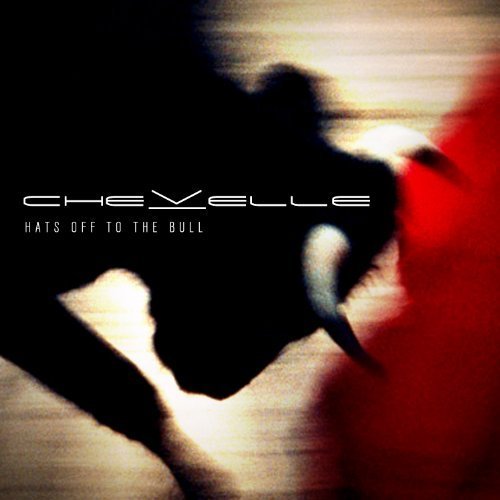
 View Artist