Song Meaning
The lyrics paint a picture of someone trapped in a cycle of obligation and internal turmoil. There's a sense of being coerced into a transaction, where a "bastard" figure loans cash but places the "sin" squarely on the narrator's shoulders. This sets up a conflict between complicity and resistance, a desperate plea to "care or plead silence" as "weak hands are calling." The narrator seems to be wrestling with a decision, possibly one that involves moral compromise or a difficult choice with significant consequences.
The core tension lies in the inability to escape a disturbing internal state, described as "images / Hauntingly looks like Hell." Despite the proximity to a breaking point, symbolized by the distinction between "close enough, and there's too far," the narrator feels stuck. The repeated plea, "So, to care or plead silence / Weak hands are calling," underscores this paralysis, suggesting a struggle between speaking out and succumbing to a passive, yet agonizing, state.
The chorus introduces a disturbing invitation to "enter the foreign / Face, all that's shameful." This feels like a confrontation with a hidden or repressed aspect of oneself or a situation. The act of "cheating" and the hope that "the past find / Out" suggests a desire for exposure and perhaps absolution, even if it means facing unpleasant truths. The act of "separating" implies a breaking away, but the context of shame and foreignness makes it a fraught process.
Ultimately, the lyrics resonate because they capture the visceral feeling of being overwhelmed and cornered. The repeated phrase "Weak hands are calling" acts as a haunting refrain, emphasizing a sense of helplessness and impending doom. The bridge offers a glimmer of hope with the idea of ending the "catastrophic scene" and learning to "awake and breathe in," but the persistent echo of "To Care or" in the outro leaves the resolution uncertain, mirroring the ongoing internal battle.
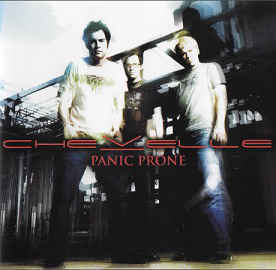
 View Artist