Song Meaning
This tune lays out a simple, almost instructional, path to happiness. It’s a direct command to perform joy: "Powder your face with sunshine," "Put on a great big smile." The lyrics present a transactional view of cheerfulness, suggesting that outward displays of positivity will eventually lead to genuine shared laughter and a lighter heart. The repetition of "smile smile smile" hammers home this performative aspect, urging a consistent, almost automatic, expression of gladness.
The core tension here lies between the insistent instruction to be happy and the underlying implication that this happiness isn't necessarily innate. The advice to "make up your eyes with laughter" and "whistle a tune of gladness" feels like applying cosmetics or composing a melody – deliberate actions rather than spontaneous feelings. The lyrics suggest that adopting the *appearance* of joy is the key to unlocking the *feeling* of it, and by extension, social acceptance.
The most striking craft element is the persistent metaphor of applying makeup to one's face. "Powder your face with sunshine" and "make up your eyes with laughter" frame happiness as an external application, something you put on to present yourself to the world. This contrasts sharply with the idea of internal emotional states, positioning cheerfulness as a deliberate, visible act. The phrase "Blue never was in style" further reinforces this, implying that sadness is unfashionable and something to be actively concealed.
Ultimately, the effectiveness of these lyrics stems from their almost childlike simplicity and their unwavering optimism. They tap into a universal desire for ease and connection, offering a straightforward, albeit superficial, solution to unhappiness. The repeated assurances that "The future's brighter when hearts are lighter" provide a comforting, if somewhat simplistic, promise that performing happiness will yield positive results, both internally and socially.
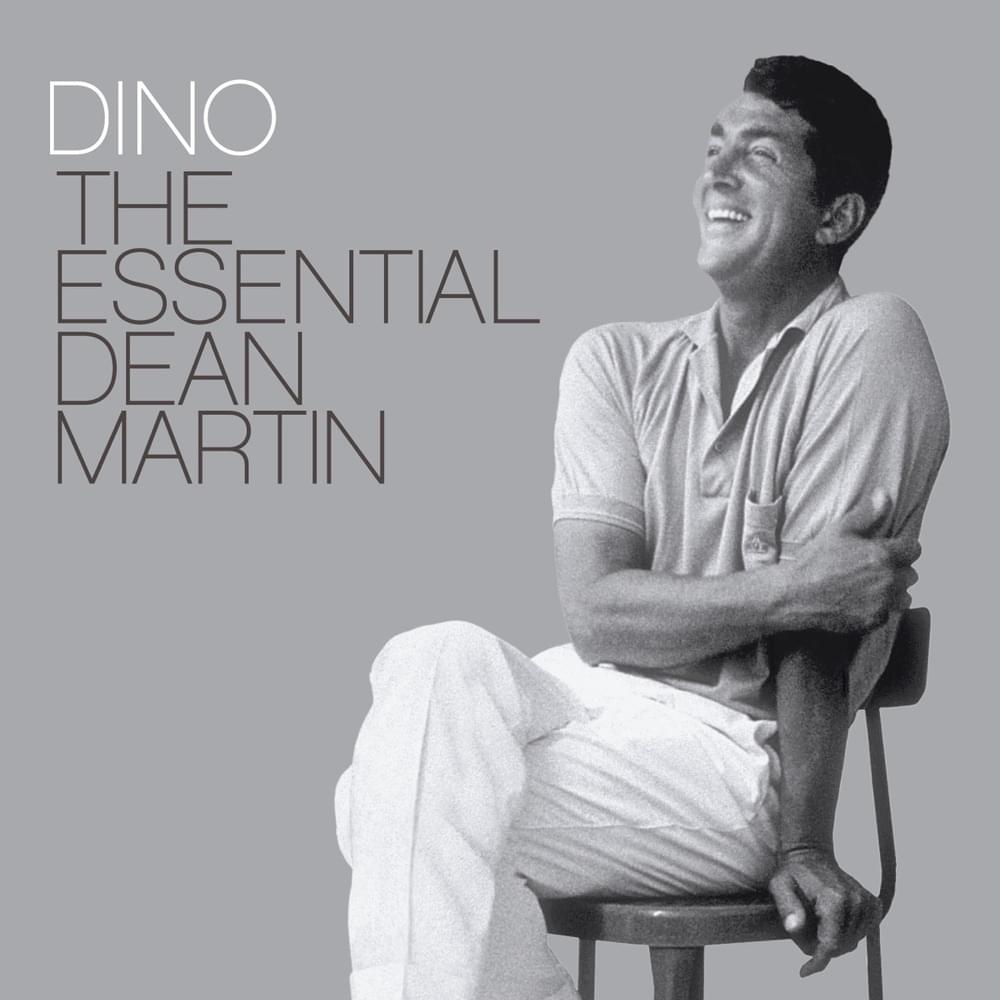
 View Artist