Song Meaning
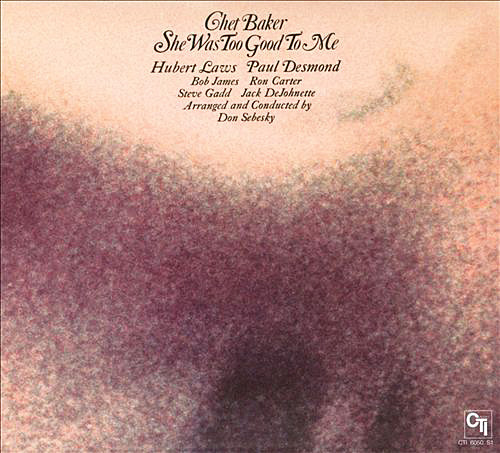
Chet Baker's "She Was Too Good To Me" isn't just a lament; it's an autopsy of a relationship, performed with the cold precision of a jazz surgeon. The lyrics, stark and economical, paint a portrait of a love lost not through malice, but through the speaker's own inadequacy. It's a brutal self-indictment, a recognition that the very thing that made the relationship beautiful – the woman's unwavering devotion – was also its undoing. The opening lines, "She was too good to me / How can I get along now?" immediately establish the core conflict: a profound sense of unworthiness in the face of unconditional love. It's a question many grapple with – can we truly accept, and reciprocate, a love that seems too perfect, too selfless? Baker's phrasing suggests the answer is a painful no.
The song's genius lies in its subtle unpacking of the speaker's flaws. He admits to being "mean to her," yet marvels that "she never said go away now." This isn't presented as a virtue on his part, but rather as a source of bewilderment and, perhaps, a touch of resentment. Her unwavering support, her willingness to overlook his failings, becomes a burden, a constant reminder of his own shortcomings. The line "I was a king to her / Who's gonna make me gay now?" is particularly telling. It reveals a desire for admiration, for the validation that her love provided, but also a subtle hint of boredom, a yearning for something more challenging than unconditional adoration.
The title itself, "She Was Too Good To Me," resonates with a haunting finality. It's not a statement of regret, but of resignation. The speaker doesn't seem to believe he could have acted differently. The core of the song meaning lies in the painful truth that some people are simply incapable of accepting a love that demands vulnerability and self-awareness. The concluding line, "She was too good to be true," isn't a romantic sentiment; it's an admission of defeat. He couldn't reconcile her idealized image with the reality of his own flawed self, and in the end, he pushed her away, not out of hatred, but out of a profound sense of self-preservation.
 View Artist