Song Meaning
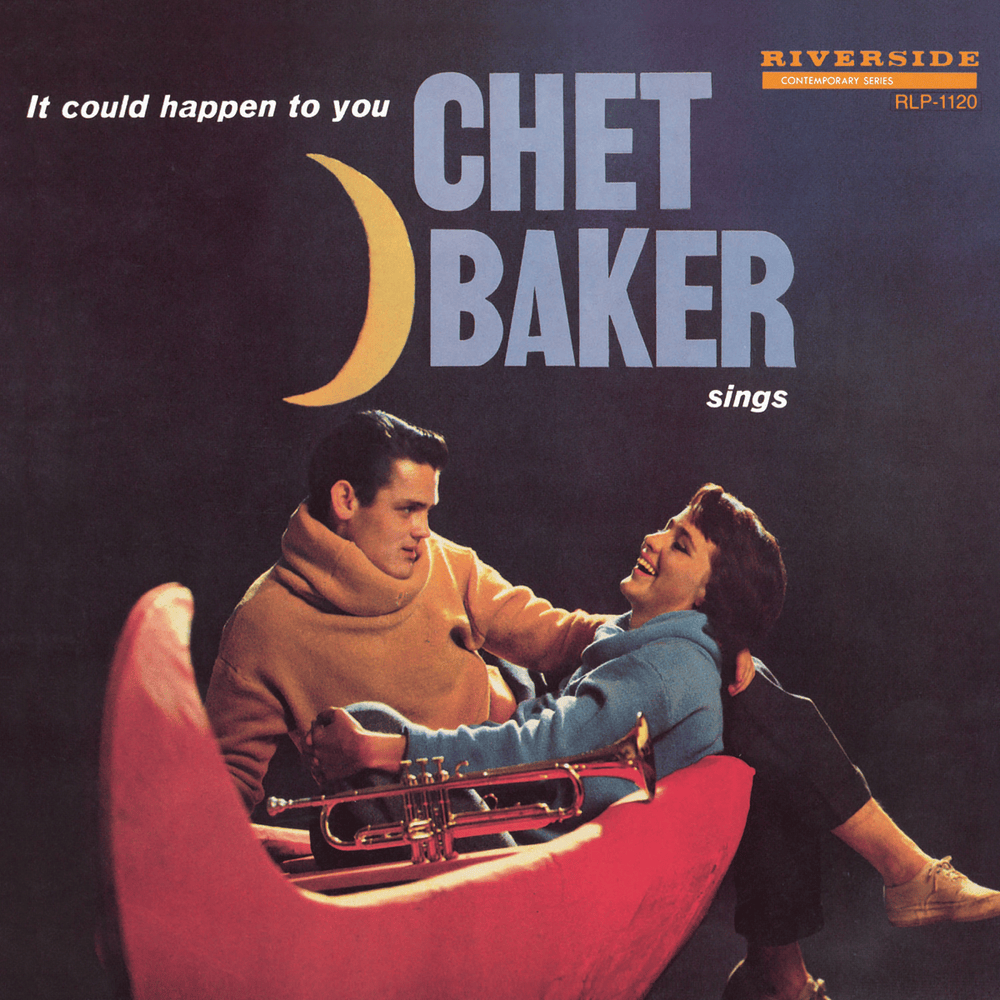
{"song_id": 11581799, "meaning": "Chet Baker's rendition of \"The More I See You\" isn't just a love song; it's a study in the intoxicating and potentially obsessive nature of infatuation. The lyrics paint a portrait of a love that doesn't diminish with time, but rather intensifies, bordering on an almost desperate need. The opening lines, \"Each time I look at you is like the first time / Each time you're near me the thrill is new,\" immediately establish a sense of perpetual, almost childlike wonder. This isn't a comfortable, settled love; it's a constantly renewed state of excitement and heightened emotion. The speaker is perpetually in the throes of initial attraction. It's the kind of love that demands constant reassurance, and the feeling that, without the other person, the speaker is completely lost. The lyrics suggest a vulnerability and dependency that can be both touching and unsettling. Is it love, or a fragile ego finding validation in another?
The core of the song meaning lies in the paradoxical nature of desire. \"The more I see you, the more I want you / Somehow this feeling just grows and grows.\" This isn't simply about physical attraction; it's about an emotional hunger that deepens with each encounter. The lyrics delve into the way the speaker's emotions are escalating out of control as time passes, rather than settling down into comfortable affection. The phrase \"with every sigh I become more mad about you\" hints at a longing that is both passionate and slightly unhinged. This isn't a rational love; it's an overwhelming emotional experience.
The final verse introduces an element of possessiveness, albeit expressed in a seemingly gentle way. \"My arms won't free you, my heart won't try.\" While on the surface this might seem like a declaration of unwavering devotion, there's a darker undercurrent. It suggests an inability to let go, a fear of losing the object of affection, and a willingness to hold on tight, even if it means stifling the other person. The repetition of these lines at the end reinforces the sense of entrapment, both for the speaker and potentially for the subject of the song. This isn't just about loving someone; it's about needing them to an extent that borders on obsession. Baker's delivery, with its characteristic vulnerability, only amplifies the song's complex and slightly unsettling emotional landscape."}
 View Artist