Song Meaning
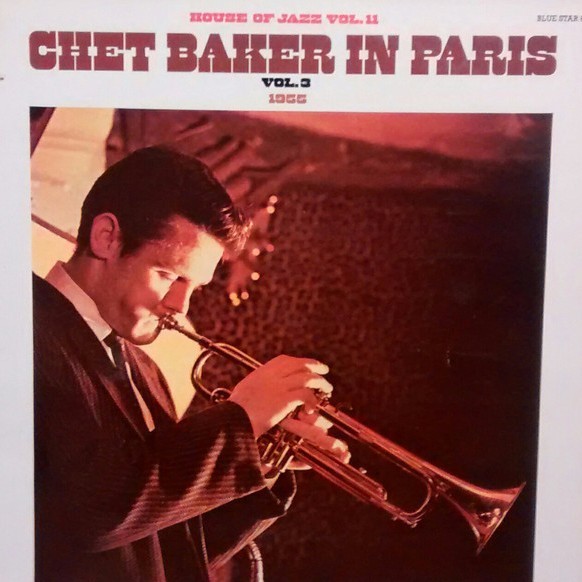
Chet Baker's "Til the Lady Sings," stripped down to its barest essentials, is an elegy for love's expiration. The song isn't a melodramatic outburst, but a quiet, almost resigned observation of a relationship's slow fade. The opening lines, "Just friends, lovers no more / Just friends, but not like before," immediately establish the core tension: the awkward, painful transition from intimacy to platonic detachment. It's a space haunted by what *was*, a constant reminder of the connection now irrevocably altered. The genius lies in the understatement, the implied weight of history pressing down on this new, fragile dynamic. Baker isn't raging; he's acknowledging. The forced civility stings more than any accusation could. It's a portrait of emotional aftermath.
The lyrics hint at a deeper ache, a struggle to reconcile memory with present reality. The line, "To think of what we've been and not to kiss again / Seems like pretending it isn't the ending," encapsulates this denial. There's a desperate attempt to minimize the significance of the break, to downplay the emotional impact by framing it as a mere shift in labels. But the impossibility of truly reverting to a pre-relationship state is palpable. The pretense is a thin veil over the raw wound of loss. Baker's phrasing suggests a deliberate avoidance of confrontation, a shared agreement to smooth over the edges of a painful truth.
The final lines, "We loved, we laughed, we cried, and suddenly love died," are stark in their simplicity. The abruptness of "suddenly" emphasizes the bewildering nature of love's demise. It's not a gradual decline, but a seemingly instantaneous event, leaving behind confusion and unresolved emotions. Baker doesn't offer explanations or assign blame. He simply states the fact, allowing the listener to fill in the unspoken narrative of what transpired. The song's power resides in its vulnerability and its unadorned portrayal of heartbreak, a universal experience rendered with poignant clarity.
 View Artist