Song Meaning
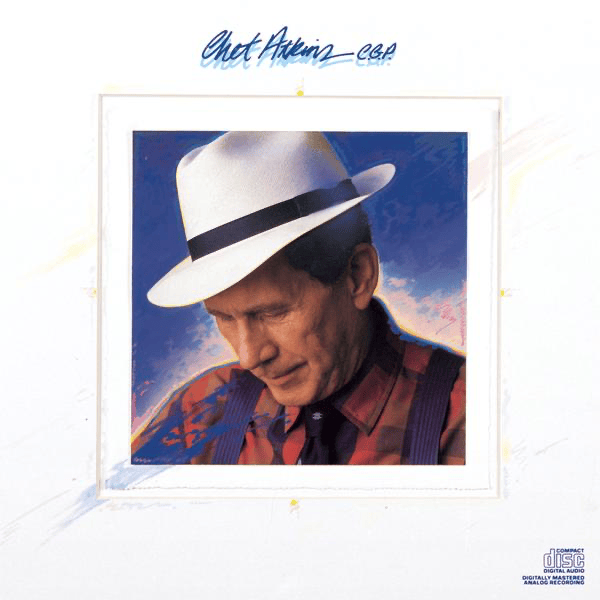
Chet Atkins' instrumental rendition of "Imagine" reframes John Lennon's original protest anthem as a delicate, almost wistful reflection. Stripped of its vocal urgency, the song's utopian vision transforms into a series of questions posed by a solitary, searching guitar. The absence of Lennon's voice forces the listener to confront the lyrics directly, unmediated by his iconic persona. What remains is the raw idealism, the challenge to envision a world free of division and material obsession. Atkins’ interpretation doesn't preach; it contemplates.
The song's inherent tension—between the radical simplicity of its vision and the complex realities of human nature—is amplified by Atkins' fingerstyle playing. The gentle melody becomes both a lullaby and a challenge, a call for empathy delivered with a quiet insistence. The listener is left to grapple with the implications of a world without heaven or hell, countries or possessions. Is it naive? Is it achievable? Atkins doesn't provide answers; he merely holds up a mirror, reflecting the listener's own hopes and doubts.
Ultimately, Chet Atkins' version of "Imagine" transcends mere cover song status. It becomes a meditation on the power of belief and the enduring relevance of Lennon's message. The instrumental arrangement allows the listener to inhabit the song's emotional landscape more fully, to consider the possibility of a world united in peace and brotherhood, even if only for the duration of the music. The song meaning becomes less about Lennon's specific vision and more about the universal human desire for a better future. It’s a reminder that even in the absence of words, music can still provoke profound thought and inspire transformative action.