Song Meaning
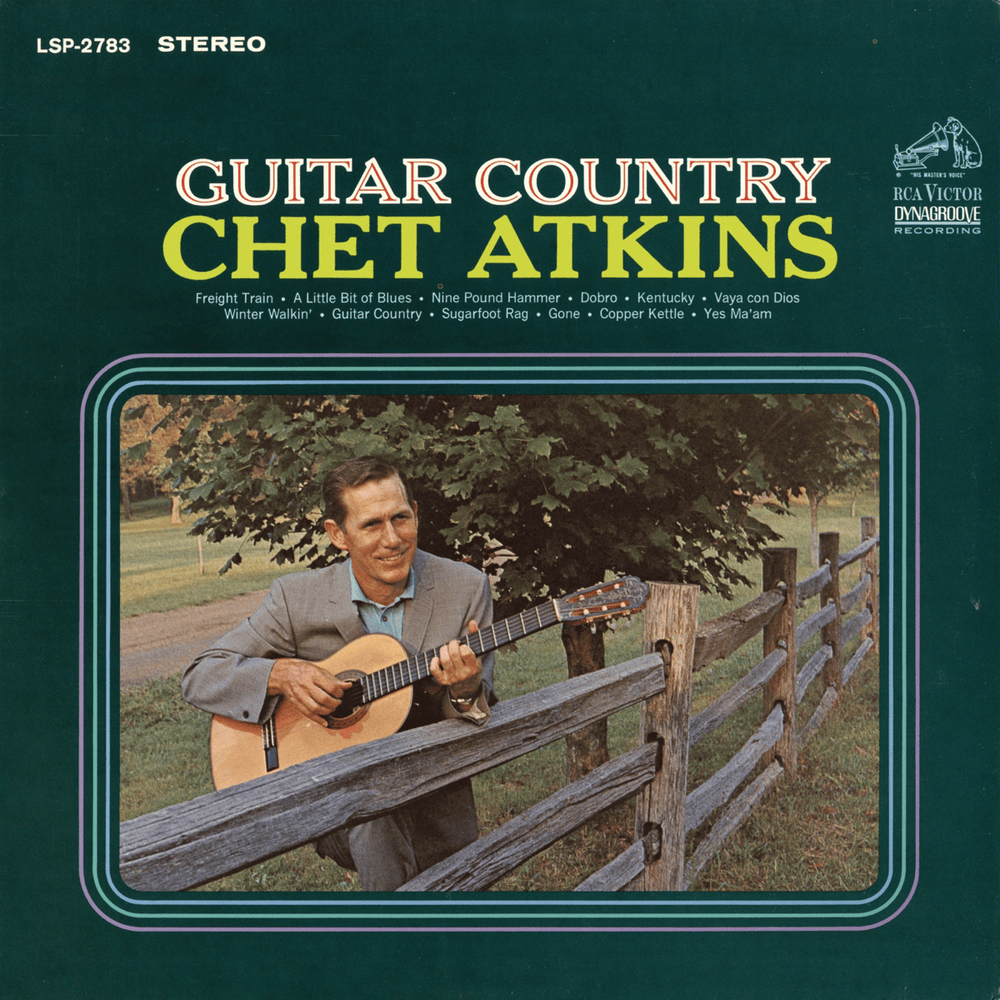
Chet Atkins' instrumental virtuosity elevates "Copper Kettle" beyond a mere ode to moonshining; it becomes a sly commentary on American individualism and the enduring allure of self-sufficiency. The song, steeped in Appalachian tradition, romanticizes the act of creating illicit whiskey as an escape from the drudgery of conventional life. The "copper kettle" and "new made corn mash" aren't just tools of distillation, they're symbols of a defiant spirit, a rejection of societal norms and the taxman's grasp. It's a rugged, resourceful fantasy.
The lyrics paint a picture of tranquil rebellion, where labor is replaced by leisure under the "juniper" and the "moon shines bright." This isn't about reckless lawlessness; it's about a deliberate choice to exist outside the system, a legacy passed down through generations, as the lines "My daddy he made corn whiskey, My granddaddy did too, And we ain't paid no whiskey tax, Since seventeen ninety-two" suggest. It's a heritage of independence, distilled into a potent, untaxed spirit.
Ultimately, "Copper Kettle" speaks to a deep-seated American desire for autonomy and a yearning for a simpler, more self-determined existence. It's a celebration of ingenuity and a subtle critique of overbearing authority, all wrapped in the comforting sounds of Atkins' masterful guitar work. The song's enduring appeal lies in its ability to tap into this primal longing, offering a romanticized vision of a life lived on one's own terms, far from the reach of government and the constraints of modern society.
 View Artist