Song Meaning
Chet Atkins's "Alabama Jubilee" presents a complex portrait of nostalgia, filtered through the problematic lens of early 20th-century Americana. The song, ostensibly a celebration, evokes a romanticized vision of the Deep South, thick with dialect and caricatures that are hard to ignore. While the jaunty melody and rapid-fire lyrics paint a picture of unrestrained joy, a modern listener can't help but feel a sense of unease. The lyrics depict a scene of communal music-making, with references to fiddles and flutes creating a sonic landscape that is both lively and undeniably rooted in a specific, and potentially exclusionary, cultural context. The repeated calls to "hail!" and the insistence that "the gang's all here" suggest a desire for unity and shared experience, yet the song's language creates distance.
At its core, "Alabama Jubilee" seems to grapple with the idea of home and belonging. The singer yearns to return to "old Alabam'," driven by the "syncopated music" that awakens deeply buried memories. This yearning isn't just for a place, but for a feeling – a sense of carefree joy and connection that transcends the everyday. The song positions music as a powerful emotional trigger, capable of transporting the listener back to a time and place where life felt simpler and perhaps more vibrant. The descriptions of dancing and revelry further underscore this sense of liberation and escape. But it's also impossible to ignore the potential for selective memory at work here; the lyrics gloss over any potential complexities or hardships that might have existed in this idealized past.
Ultimately, the song meaning hinges on the listener's ability to reconcile the infectious energy of the music with the potentially troubling imagery it conjures. Is it a harmless celebration of a bygone era, or a romanticization of a past that deserves closer scrutiny? The answer likely lies somewhere in between. "Alabama Jubilee" serves as a reminder that nostalgia is a powerful force, capable of shaping our perceptions of history and influencing our understanding of identity. The song's true power, then, may lie not in its ability to transport us to a specific time and place, but in its capacity to spark a conversation about how we remember, and what we choose to forget.
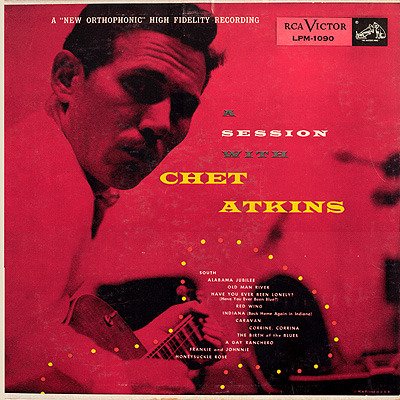
 View Artist