Song Meaning
Cheryl Wheeler's "Aces" unfolds as a raw, almost painfully direct conversation between friends teetering on the brink of collapse. It's a masterclass in passive aggression disguised as earnest apology, a tightrope walk between taking responsibility and subtly blaming the other person for perceived failings. The core of the song meaning lies in the charged dynamic of a friendship where expectations have become weapons. The narrator acknowledges their shortcomings ("I know I wasn't always there for you") but quickly pivots to a defensive stance, suggesting the friend's demands are unreasonable ("The things you think that I should do / I've never understood that part of you"). This isn't a simple admission of guilt; it's a carefully constructed argument.
The central metaphor of "dealing aces" is particularly potent. It speaks to the perceived imbalance of power within the relationship. The narrator feels set up, as though they were given an irresistible opportunity (the aces) only to be condemned for seizing it. It implies a sense of manipulation on the friend's part, a feeling of being trapped in a no-win scenario. This idea is further reinforced by the line "Compromise and realize you can never really run everything you start," which subtly accuses the friend of being controlling and unwilling to accept shared ownership of the relationship's direction. The repetition of the chorus underscores the narrator's desperation to salvage the friendship, but the underlying resentment simmers beneath the surface.
Ultimately, "Aces" is a song about the messy, imperfect nature of human connection. It's about the unspoken resentments that fester beneath the surface of even the closest friendships. The narrator's plea, "Talk to me, can't you see / I would never want to do what it seems I've done," rings with a certain ambiguity. Is it genuine remorse, or a calculated attempt to deflect blame? The beauty of Wheeler's songwriting is that she leaves the listener to decide, forcing us to confront the complexities of our own relationships and the ways in which we navigate the delicate dance of friendship, expectation, and forgiveness.
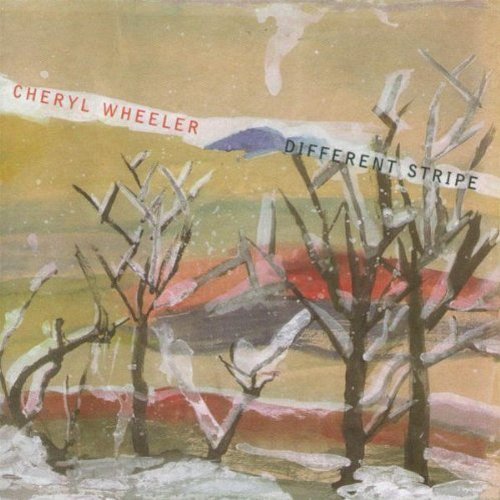
 View Artist