Song Meaning
The lyrics paint a stark picture of enduring immense hardship, clinging to life not for oneself, but for another. The opening lines immediately establish a sense of precariousness, a struggle to maintain control against overwhelming bleakness. "Very hard not to break down / Holding onto a thin rope" sets a tone of desperate resilience. This internal battle is amplified by the external environment, a "frosty chill" that makes the narrator feel "useless." Yet, a powerful counterpoint emerges: "But I will stay alive for you." This dedication becomes the sole anchor in a sea of despair.
The central tension lies in this self-negation for the sake of an unnamed "you." The narrator acknowledges "useless efforts" and "three years of waiting," suggesting a prolonged, perhaps unrewarded, struggle. The cryptic imagery of "patented faces / Birds-fish, fish-birds" hints at a world of artificiality or perhaps a distorted perception of reality that the narrator must navigate. Despite this, the commitment remains unwavering: "I will stay alive for you."
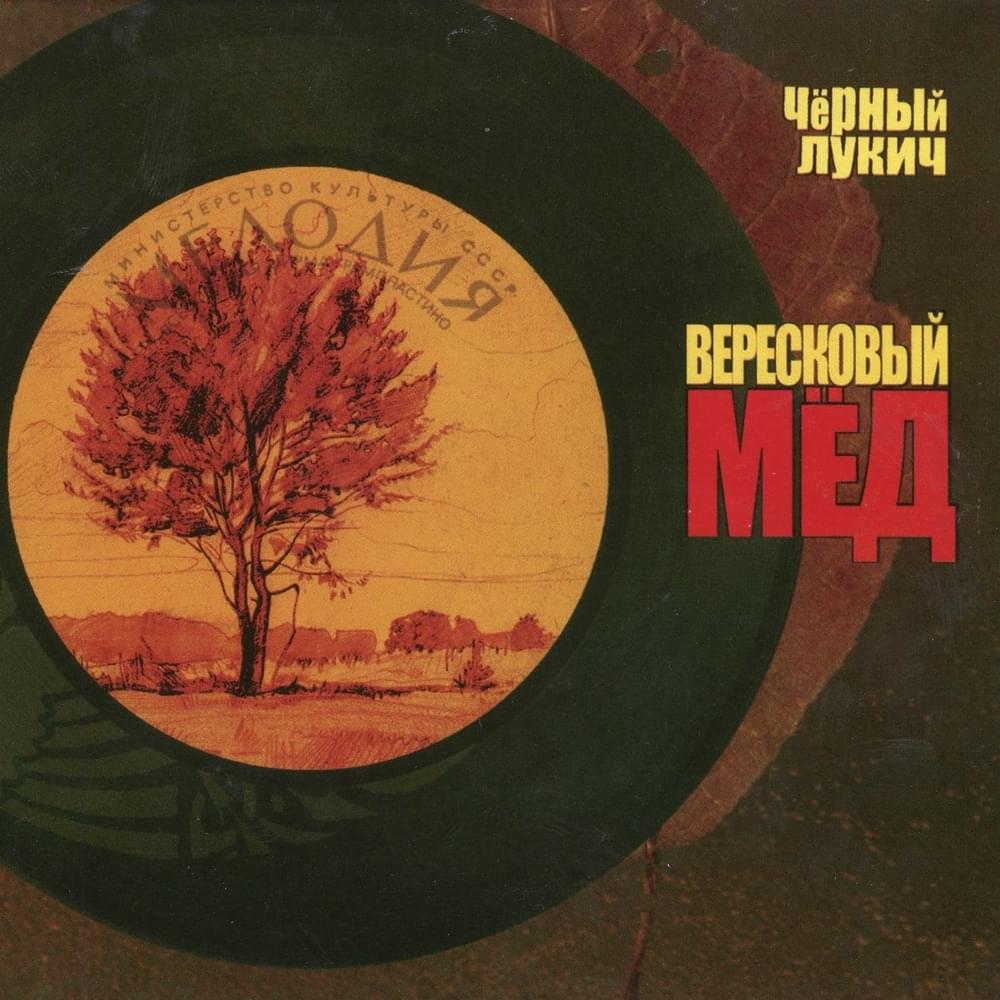
The chorus offers a cyclical, almost mantra-like, hope. The repetition of "The sun will pass - the sorrow will pass" suggests a belief in eventual relief, though the phrase "fate, heather honey" is more enigmatic. Heather honey, known for its unique, sometimes bitter taste and scarcity, could imply that even the sweetness of life is tinged with hardship, or that this particular form of solace is hard-won and rare. The quietude described in the third verse, in a "carousel booth" or "underground pit," contrasts with the internal turmoil, suggesting a need for silence and introspection amidst creative output of "sad, tender, incomprehensible, hopeless songs."
Ultimately, the effectiveness of these lyrics stems from their raw portrayal of existential struggle and selfless devotion. The contrast between the narrator's internal desolation and their externalized purpose creates a profound emotional weight. The recurring promise to "stay alive for you," coupled with the cyclical hope of the chorus, grounds the listener in a narrative of enduring pain for the sake of love or obligation, making the abstract concept of survival intensely personal.
 View Artist