Song Meaning
The narrator is desperately seeking validation and understanding from another person, fixated on the repeated plea, "Look at me." They're not just asking for a glance, but a deep, penetrating gaze that can see past their outward appearance to the internal damage they've sustained. The core question, "what do you see?" is a raw appeal for someone to acknowledge the "broken soul" and the "foolish pride" that tears have supposedly eroded.
This isn't a casual inquiry; it's a profound existential crisis laid bare. The lyrics highlight a stark contrast between the relentless passage of time – "nights are so long," "days come on strong" – and the narrator's static state of suffering. They've endured immense "pain" that has physically manifested, leaving their "body's so worn." This physical decay is presented as undeniable evidence of their internal struggle, a testament to the weight they carry.
The true power here lies in the relentless repetition of the central phrase. It functions less as a request and more as an incantation, a desperate attempt to break through the other person's indifference or lack of perception. The direct, almost accusatory, questions "Does my soul lay broken inside?" and "Have my tears washed away my foolish pride?" underscore a deep-seated fear that their suffering is invisible, that their pleas are going unheard and their pain unacknowledged.
Ultimately, these lyrics resonate because they tap into a universal human need to be seen and understood, especially in moments of profound personal struggle. The narrator’s vulnerability is palpable, their plea for recognition a raw exposure of deep emotional and physical weariness. The insistent, almost pleading, structure of the song amplifies the feeling of being trapped in a cycle of pain, desperately hoping for an external witness to validate their experience.
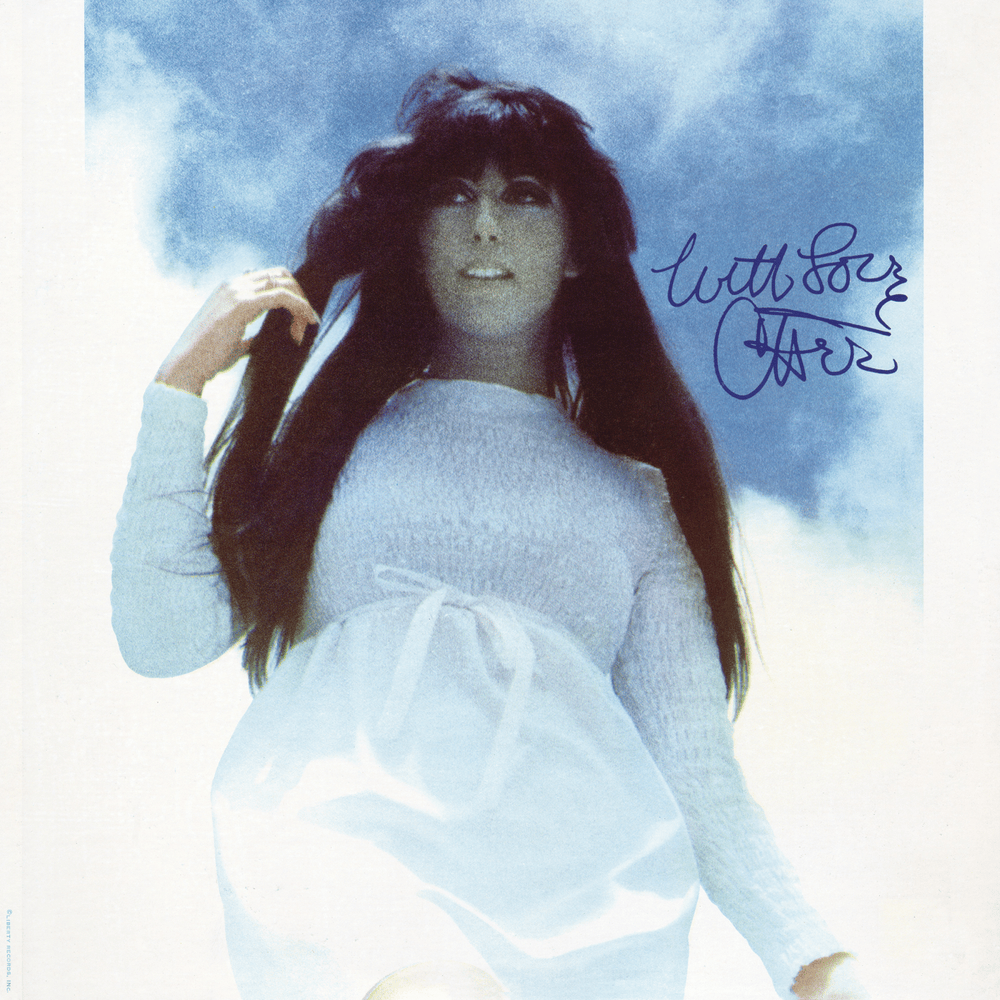
 View Artist