Song Meaning
The lyrics paint a picture of regret, framed by the recurring refrain, "If I knew then what I know now." The narrator looks back on past choices, specifically a relationship with a "funny-face kid" from down the street. Initially, their roles were playfully defined as "cowboy" and "lady gran," suggesting a youthful, perhaps innocent dynamic. However, the narrator admits, "I don't think I would have shot him down," implying a decisive, perhaps harsh, rejection that she now regrets.
This regret deepens as the narrator recalls high school, describing a "puppy love" phase where she "played around." The contrast between his awkwardness and her burgeoning self-awareness highlights a period of exploration and perhaps immaturity. The core tension lies in the narrator's realization that her youthful actions, driven by a desire to "test my wings" and avoid commitment like "strings or wedding rings," led her away from a potentially fulfilling connection.
The lyrics cleverly weave a narrative thread through the verses, revealing that the "cowboy" she rejected was the same "real good man" she later encountered in Baltimore. This cyclical structure emphasizes the missed opportunity. The repetition of "Once he was a cowboy who wanted lady gran" in both the past and present tense, coupled with the shift from "I don't think I would have shot him down" to "I know that I would have made that vow," powerfully underscores the profound change in her perspective.
Ultimately, the effectiveness of these lyrics stems from their relatable portrayal of hindsight. The narrator isn't just lamenting a lost love; she's grappling with the consequences of youthful impulsivity and the painful wisdom gained through experience. The simple, direct language and the central, repeated phrase create a poignant sense of what could have been, resonating with anyone who has ever wished they could revisit a pivotal moment with a new understanding.
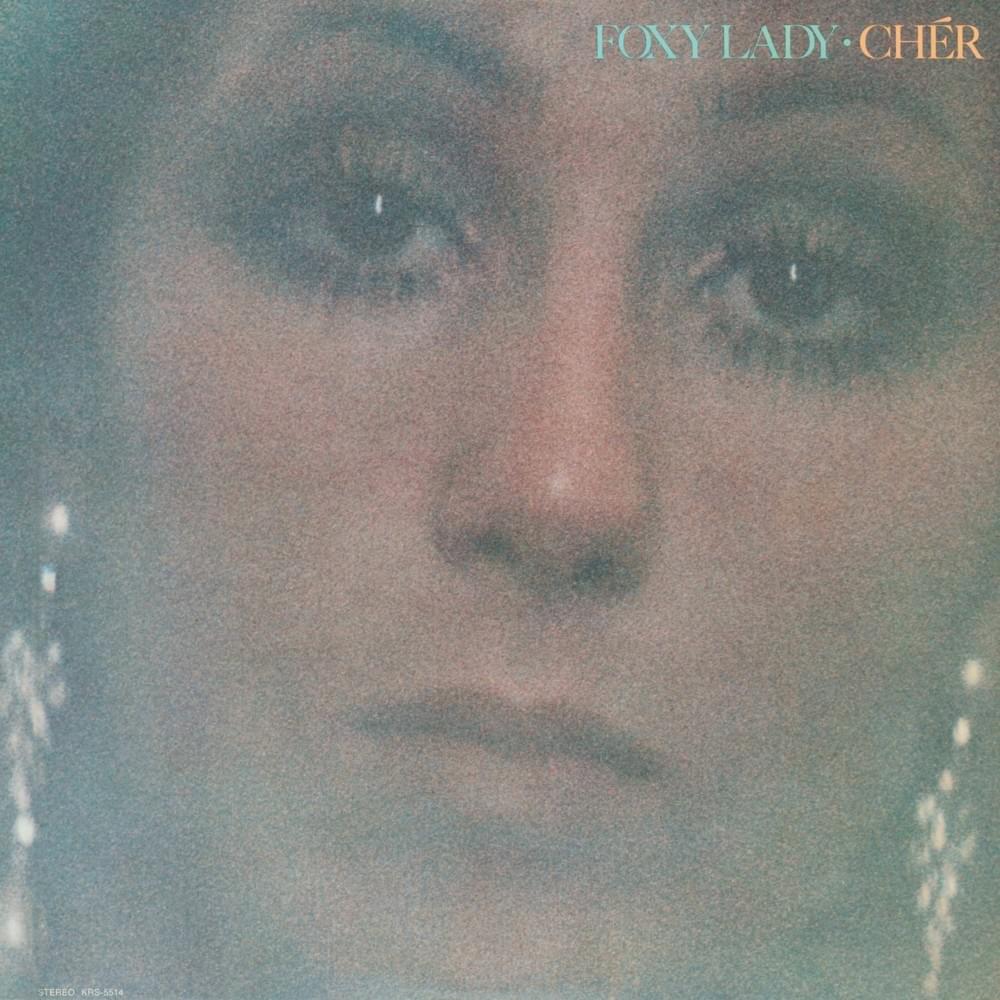
 View Artist