Song Meaning
The lyrics present a powerful self-portrait of a woman defined by her inherent contradictions and multifaceted nature. She opens by declaring "Soy mujer soy de hiel, soy de miel, soy de piel," immediately establishing a duality of bitterness and sweetness, vulnerability and strength. This isn't a simple declaration of identity but a complex tapestry woven from opposing forces: weakness and power, truth and error, foolishness and reason, coldness and fire. The narrator asserts that these inherent conflicts are not flaws but fundamental aspects of her being.
The central tension arises from the dynamic interplay between these opposing traits, particularly as they relate to love and a specific relationship. She acknowledges both "sabia intuición" (wise intuition) and "imprudente pasión" (imprudent passion), "riesgo y temor" (risk and fear) alongside being "aliento y calor para ti" (breath and warmth for you). This suggests a passionate, perhaps volatile, but ultimately life-giving presence within a romantic context. The subsequent lines "Me amarás, te querré, te daré comprensión / Te odiaré, lloraré, sufriré con dolor / Mentirás, fingiré" reveal the inevitable turbulence of this love, where profound affection and deep pain coexist, and deception is part of the cycle.
The most striking aspect of the writing is its relentless cataloging of paradoxes, creating a vivid sense of a person constantly in flux. Phrases like "soy cruel, compasiva a la vez" (I am cruel, compassionate at once) and "Contradicción, claridad y oscuridad" (Contradiction, clarity and darkness) emphasize this. The imagery of a "volcán, soy un alma en plena erupción" (volcano, I am a soul in full eruption) is juxtaposed with "Calma con lucha interior" (calm with inner struggle) and an "ave que vuela" (bird that flies), illustrating a spirit that is both explosive and serene, contained yet free. This constant oscillation makes her identity feel dynamic and deeply human.
Ultimately, the lyrics resonate because they embrace the messy, contradictory reality of human experience, particularly within the context of love. The narrator doesn't shy away from her complexities; instead, she claims them as the source of her identity, stating, "Y por amor soy lo que soy / Una mujer" (And for love I am what I am / A woman). This powerful assertion suggests that love, in all its forms—both beautiful and painful—is the crucible in which her complete self is forged and understood.
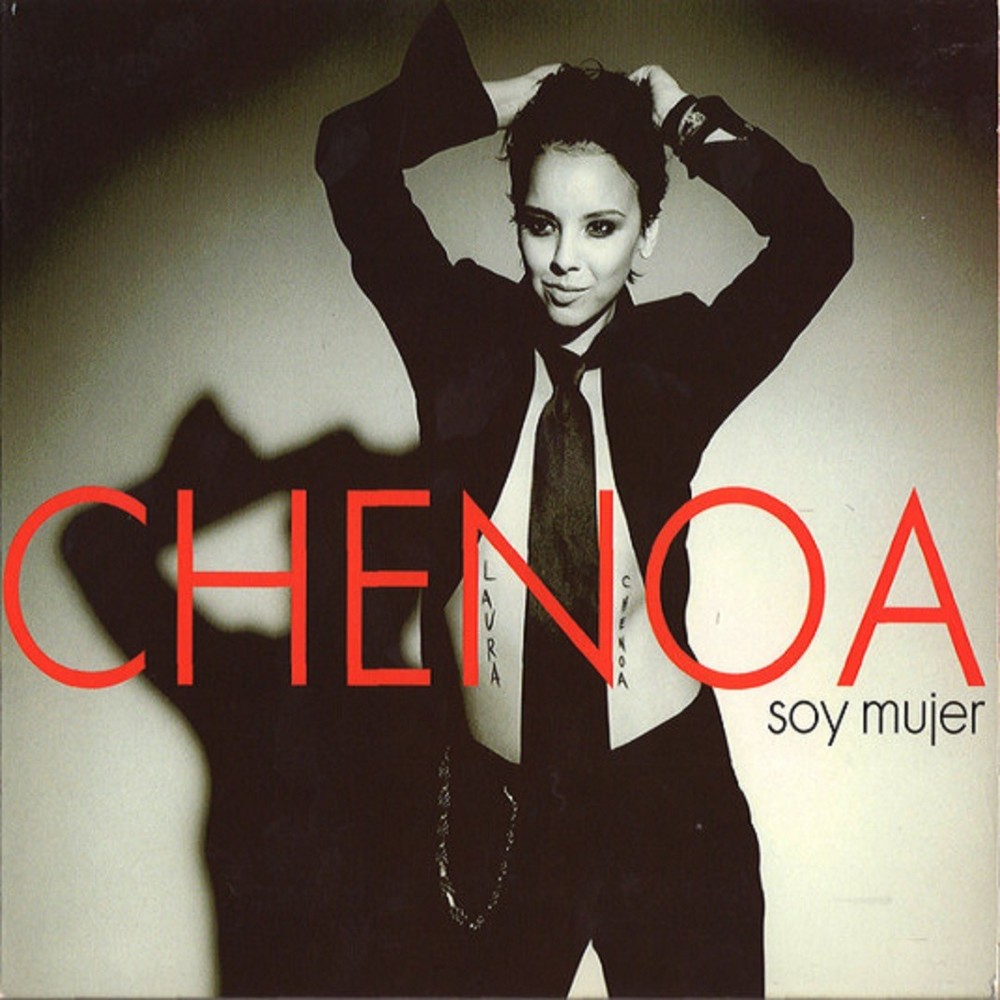
 View Artist