Song Meaning
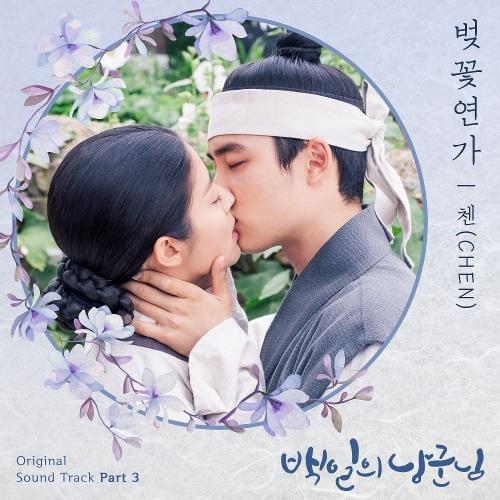
The lyrics paint a picture of profound longing and regret, set against the backdrop of a moonlit night and falling cherry blossoms. The narrator recalls a past love, now gone, whose memory is intensely vivid despite the passage of time. The dominant tone is one of melancholic remembrance, where even the gentle beauty of nature seems to echo the pain of loss. The imagery of the moon and the wind carries the weight of unspoken feelings and broken promises.
The central tension lies in the contrast between the desire to forget painful memories and the undeniable brilliance of the time spent with the loved one. The narrator grapples with the lingering ache of a "scar etched on the heart," which feels deeper than any physical wound. This internal conflict is amplified by the recurring motif of the cherry blossom petals, which are seen as a reflection of the departed lover's melancholic presence, making the present moment feel desolate.
The most striking craft element is the personification of the cherry blossom petals and the wind as carriers of the lover's essence and the narrator's sorrow. The phrase "petals falling on me, resembling you, are they this lonely?" directly links the ephemeral beauty of spring to the enduring pain of separation. The recurring image of the "scar etched on the heart" powerfully conveys the indelible mark left by this past love, suggesting a wound that time cannot fully heal.
Ultimately, the lyrics resonate because they capture the bittersweet nature of cherished memories that are intertwined with grief. The narrator's ultimate wish to trade everything for one more encounter, to declare "that hundred-day dream was more beautiful than any other day," and to confess "I loved you" speaks to the enduring power of love even in its absence. It’s a poignant reflection on how profound love can leave an unerasable imprint, making even painful recollections precious.
 View Artist