Song Meaning
The lyrics paint a picture of someone adrift, carrying the remnants of a past love. The narrator is ready to move, seeking out the town where rumors of their former lover can be heard, armed with little more than a "cold heart" and a "cassette of comfort." This imagery suggests a deliberate, almost ritualistic preparation for a journey into emotional uncertainty, a quiet acceptance of solitude as a companion. The act of packing a "light lipstick" and "cherry candy wrap" alongside "as much smile as possible" hints at a desire to present a composed, perhaps even hopeful, facade to the world, even as the inner state is fragile.
The central tension arises from the narrator's dual impulses: to seek out information about the lost love and to simultaneously prepare for a future without them. They are willing to find the person who now loves their former partner, indicating a complex mix of lingering attachment and a strange form of acceptance. The repeated phrase "one more time, one more time" underscores a desperate plea for recognition, a wish for the past to momentarily acknowledge their present existence before they fully commit to moving on. This internal conflict between holding on and letting go is palpable.
The most striking aspect is the recurring image of walking alone in the twilight, "yuyamio hitori." This phrase, appearing at the end of each chorus, evolves subtly. Initially, it's a statement of current reality: "I'll be walking alone in the twilight for a while." By the final iteration, it transforms into a declaration of future intent: "From now on, I'll be walking alone in the twilight." This shift signifies a profound internal change, moving from a temporary state of sorrow to a chosen, albeit solitary, path forward. The twilight itself becomes a potent metaphor for this liminal space between past and future, light and darkness, connection and isolation.
Ultimately, the lyrics resonate because they capture the quiet, often unexpressed, dignity of enduring heartbreak. The narrator isn't railing against their fate but meticulously packing their meager emotional provisions for a solitary journey. The careful articulation of small, tangible items – the cassette, the lipstick, the candy – grounds the abstract pain in concrete actions, making the emotional weight of their decision to walk "alone in the twilight" feel deeply personal and profoundly moving.
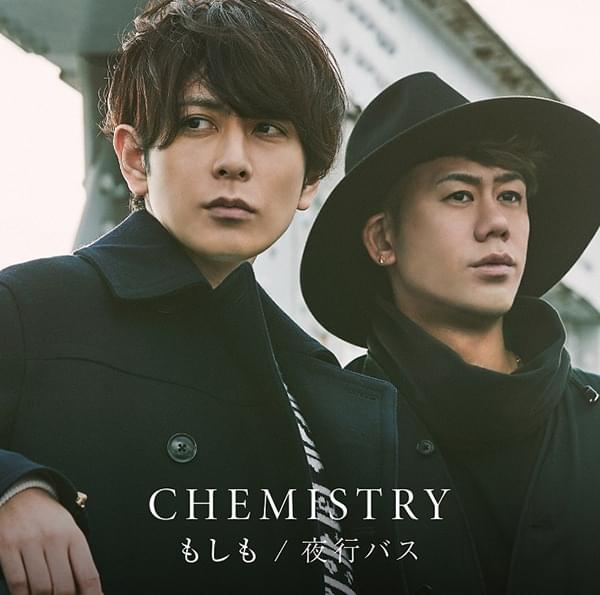
 View Artist