Song Meaning
The lyrics paint a picture of a young couple, Pierre and his mademoiselle, embarking on married life with youthful optimism. We see them starting out with a furnished apartment, a coolerator stocked with modern conveniences, and a passion for music played loud on their Hi-Fi. Their early days seem to be characterized by a simple, energetic pursuit of happiness, symbolized by their souped-up jitney and a celebratory trip to New Orleans for their anniversary. The narrator details these scenes of burgeoning domesticity and shared joy with a sense of observation.
The underlying tension, however, emerges not from overt conflict but from the elders' repeated refrain: "C'est la vie" and "you never can tell." This phrase hangs over the narrative, suggesting a wisdom born of experience that anticipates life's unpredictable turns. While the young couple is focused on the present, the older generation's commentary hints at a future that might diverge from their current trajectory, regardless of how well things seem to be going. The contrast between the couple's vibrant present and the elders' knowing, almost resigned, outlook creates a subtle dramatic irony.
The most striking craft element is the juxtaposition of the couple's active, forward-moving narrative with the static, observational commentary of the "old folks." The lyrics meticulously detail the couple's acquisitions and celebrations – the "two room Roebuck sale," the "seven hundred little records," the "cherry-red '53" – all markers of their growing life together. Yet, each verse concludes with the same detached, almost fatalistic, pronouncement. This repetition underscores the elders' perspective that external circumstances and the passage of time can alter even the most promising beginnings, a sentiment that colors the entire narrative with a sense of inevitable change.
Ultimately, the effectiveness of these lyrics lies in their ability to evoke a specific, nostalgic mood while simultaneously embedding a profound, understated observation about life's inherent uncertainty. The detailed, almost documentary-style portrayal of the young couple's life makes their situation feel tangible, while the elders' refrain acts as a quiet, persistent reminder that the future is never truly guaranteed. It’s this delicate balance between present joy and the acknowledgment of life’s unpredictability that gives the song its lasting resonance.
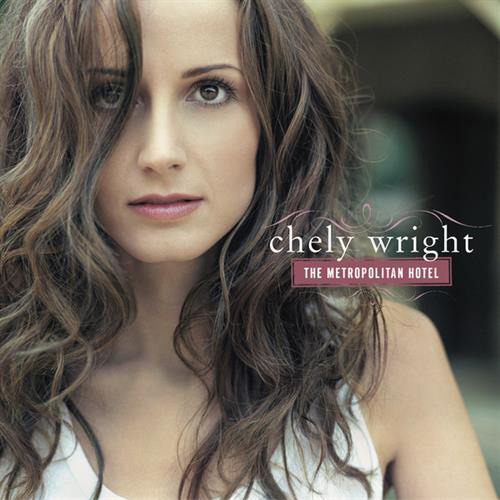
 View Artist