Song Meaning
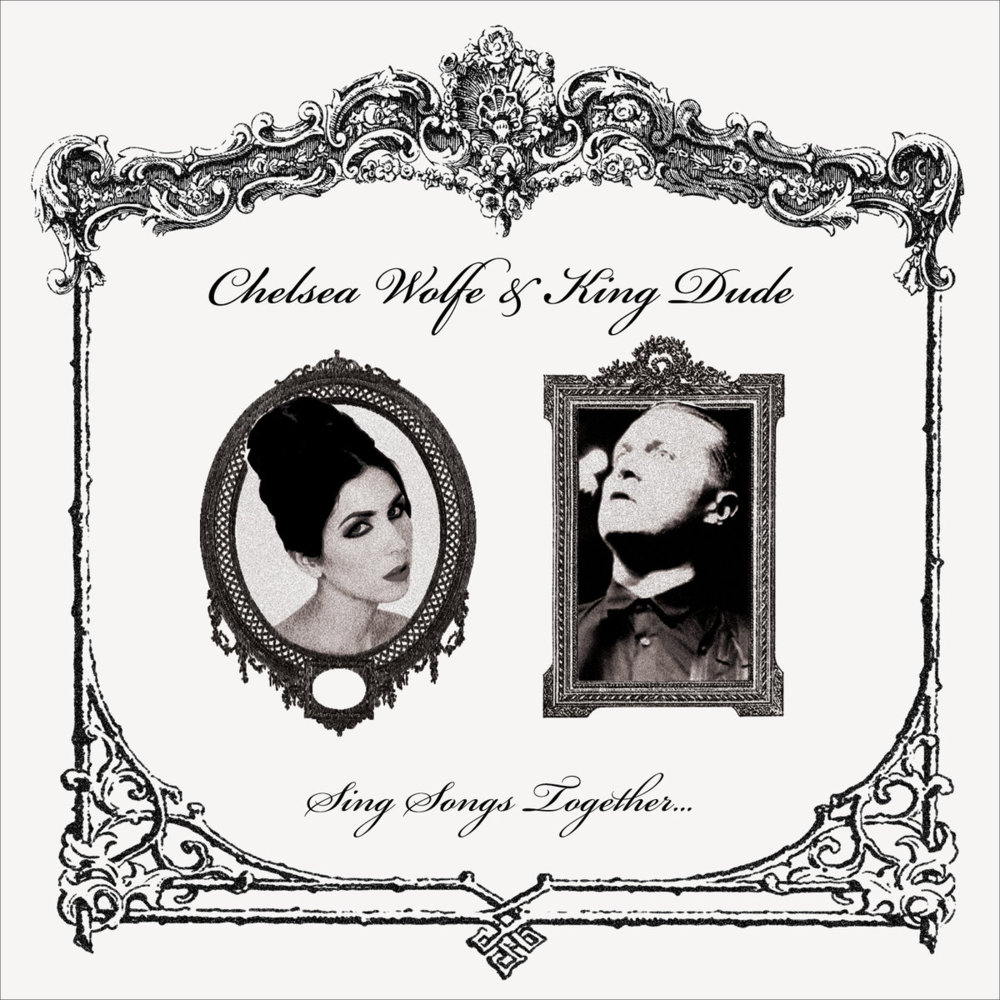
Chelsea Wolfe's "Satan's Ghost" isn't a simple hymn to the underworld; it's a haunting exploration of duality, questioning the very foundations of good and evil. The song's lyrics paint a stark landscape – "the edge of time," "a dead dog's eye" – suggesting a world weary and perhaps post-apocalyptic, where traditional morality has decayed. The repeated invocation of "Satan's Ghost" feels less like worship and more like a summoning, an attempt to understand the shadow self that resides within us all. Wolfe uses the imagery of goat horns and smoke not as literal satanic symbols, but as markers of the forbidden, the repressed aspects of the human psyche. The lilting "la la la la" sections provide an eerie counterpoint, a childlike innocence juxtaposed against the darker themes, highlighting the corruption of innocence that power structures can inflict.
The genius of "Satan's Ghost" lies in its refusal to take sides. The lyrics present contrasting viewpoints: the "young child" who sees Christ as an enemy, and the "old man" who serves the Holy Ghost, oblivious to Lucifer's proximity. This juxtaposition suggests that the concepts of savior and devil are fluid, dependent on perspective and indoctrination. Wolfe cleverly implies that both figures are merely different faces of the same coin, tools used to control and manipulate humanity. The lines "His blood is said to set us free / From the chains and the bonds of humanity" are particularly biting, questioning whether religious salvation is truly liberating or simply another form of enslavement.
Ultimately, Chelsea Wolfe's "Satan's Ghost" meaning resides in its challenge to established dogma. It's a lyrical analysis of the human condition, viewed through a lens of spiritual rebellion. By invoking Satan not as a literal entity but as a symbol of dissent, Wolfe encourages listeners to question the narratives they've been fed and to confront the uncomfortable truths that lie beneath the surface of societal norms. The song is a powerful reminder that true understanding comes not from blind faith, but from a willingness to explore the darkness within and around us. It's a chilling, beautiful, and deeply unsettling piece of art.
 View Artist