Song Meaning
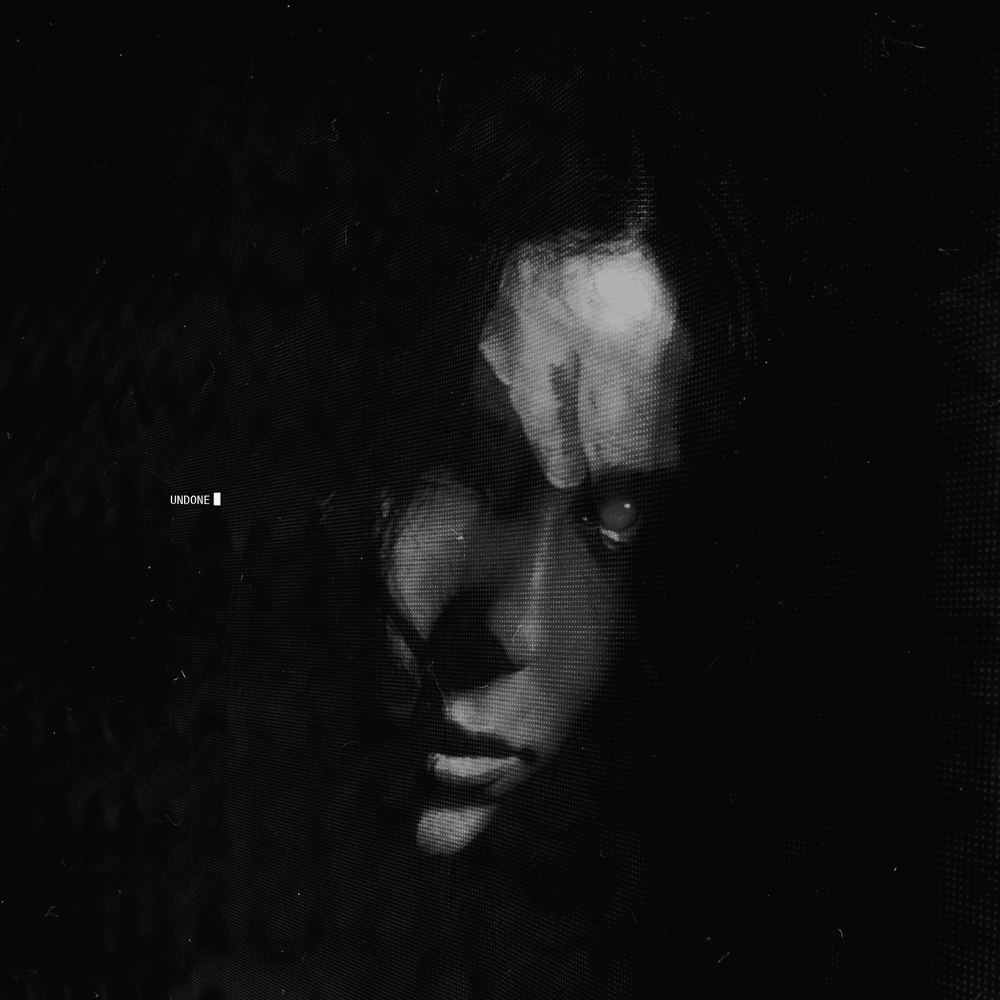
{"song_id": 11641311, "meaning": "Chelsea Wolfe's \"House Of Self-Undoing (Boy Harsher remix)\" isn't just a song; it's a sonic exorcism. The repetitive, almost mantra-like lyrics, combined with the driving, industrial pulse of the Boy Harsher remix, create a claustrophobic atmosphere that mirrors the internal struggle at the song's core. It's a track steeped in themes of self-destruction, forgiveness, and the arduous climb toward liberation. Wolfe doesn't offer easy answers; instead, she plunges headfirst into the messy, uncomfortable reality of confronting one's demons. The opening lines, \"Never wanted to stop / Reached right into the mouth of the monster,\" immediately establish a sense of willful self-sabotage, a deliberate embrace of the darkness that many spend their lives avoiding.
The repeated invocation of a \"Holy one\" introduces a layer of ambiguity. Is this a plea for divine intervention, or a desperate attempt to find solace within a flawed, perhaps even malevolent, figure? The question, \"How long will you stay this time?\" hints at a history of fleeting comfort, a reliance on something unreliable to ward off the encroaching shadows. This dependency is further complicated by the admission of being \"devoid of all direction,\" lost in a labyrinth where \"all foes hidden.\" The song isn't just about battling external forces; it's about navigating the treacherous terrain of one's own psyche.
Ultimately, \"House Of Self-Undoing\" feels like a journey through the underworld, a descent into the depths of despair followed by a slow, agonizing ascent. The lines \"Loss of illusion / I start to crawl my way out / Of this strange war / This underworld\" suggest a gradual awakening, a shedding of false beliefs and a desperate fight for survival. The \"strange war\" is internal, a constant battle against self-destructive tendencies. The crawling is not a sign of weakness, but of resilience, a testament to the human spirit's capacity to endure even when all seems lost. The Boy Harsher remix amplifies this sense of struggle, transforming Wolfe's raw vulnerability into a visceral, almost danceable catharsis."}
 View Artist