Song Meaning
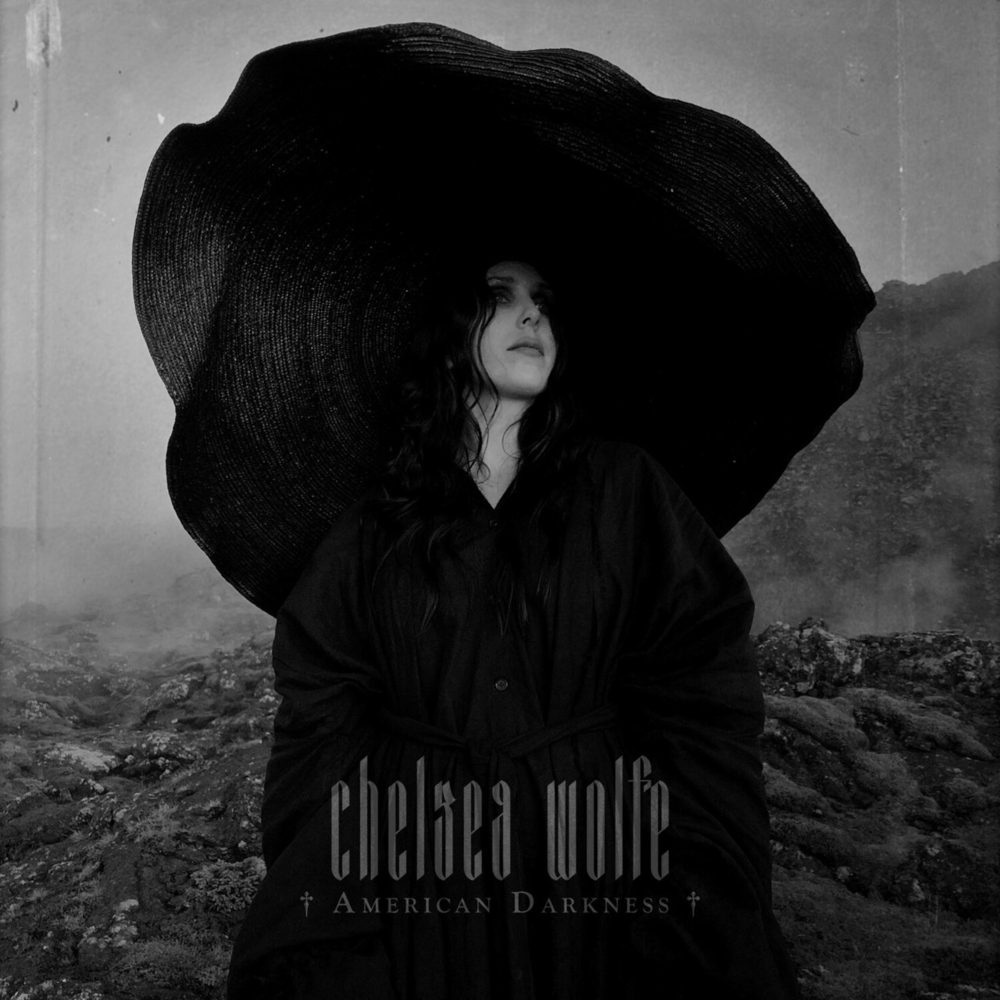
Chelsea Wolfe's "American Darkness" doesn't offer easy answers, but wallows in the complexities of power, vulnerability, and cyclical pain. Right from the start, the lyrics confront the listener with defeat: "When you come dead last/In battles long past." But this isn't a simple lament. The speaker acknowledges being an "oracle of your secrets," hinting at a dynamic where intimacy and betrayal are intertwined. The image of unbuttoning oneself before an observing eye suggests a deliberate act of exposure, a calculated risk in the face of potential harm. The repeated plea, "Won't you dance?" feels less like an invitation to joy and more like a desperate attempt to control the narrative, to distract from the encroaching darkness. The dance becomes a ritual, a spell cast against inevitable suffering.
The second verse plunges deeper into the psyche. "Damn my dreams, the tormentors," Wolfe sings, acknowledging the internal battles that fuel the external ones. There's a potent juxtaposition of intimacy ("Last night your mouth was on my skin") and destruction ("poppies were like fire on the mountain"). The line "All my old ways have started kickin' in" suggests a regression, a return to self-destructive patterns. The "American darkness" isn't just a geographical location; it's a state of mind, a landscape of inner turmoil reflected in the external world ("River on fire and sun eclipsed").
The outro devolves into a primal repetition of "When you come," stripped of context, leaving only the raw anticipation of arrival – or perhaps, the aftermath. It's a cyclical return, a suggestion that the battles, the intimacy, the darkness, will all play out again. The song's meaning resists simple interpretations, instead offering a glimpse into a world where pain and pleasure are inextricably linked, and where the only constant is the haunting dance with one's own demons. Chelsea Wolfe uses stark imagery to build a soundscape of internal conflict and questions the price of intimacy.
 View Artist