Song Meaning
The narrator opens with a stark confession of loneliness and an inability to find solace, stating, "Não consigo encontrar / Nada que me faça / Sentir melhor." This immediate emotional landscape is one of profound emptiness. The only flicker of comfort comes from memories of a past relationship, a "tempo feliz" where love was reciprocated, contrasting sharply with the present desolation. This yearning for a lost connection is the core of the song's melancholic plea.
The lyrics articulate a deep sense of loss and regret, suggesting a dramatic shift from happiness to turmoil. The narrator claims, "Mas meu mundo não teve mais / Nenhum segundo sequer de paz," indicating a complete disruption of their inner world. The phrase "E nesse jogo eu perdi demais" points to a feeling of having gambled and lost significantly, possibly in the context of this past relationship, leaving them in a state of despair.
A striking metaphor emerges in the lines, "Você me roubou um beijo / Eu que fui para a prisão." This suggests a profound imbalance where an act of affection led to the narrator's own suffering, a kind of emotional incarceration. The idea that "O amor trancou a chave / No seu coração" further emphasizes this, portraying love itself as the force that sealed off the beloved's heart, leaving the narrator locked out and alone.
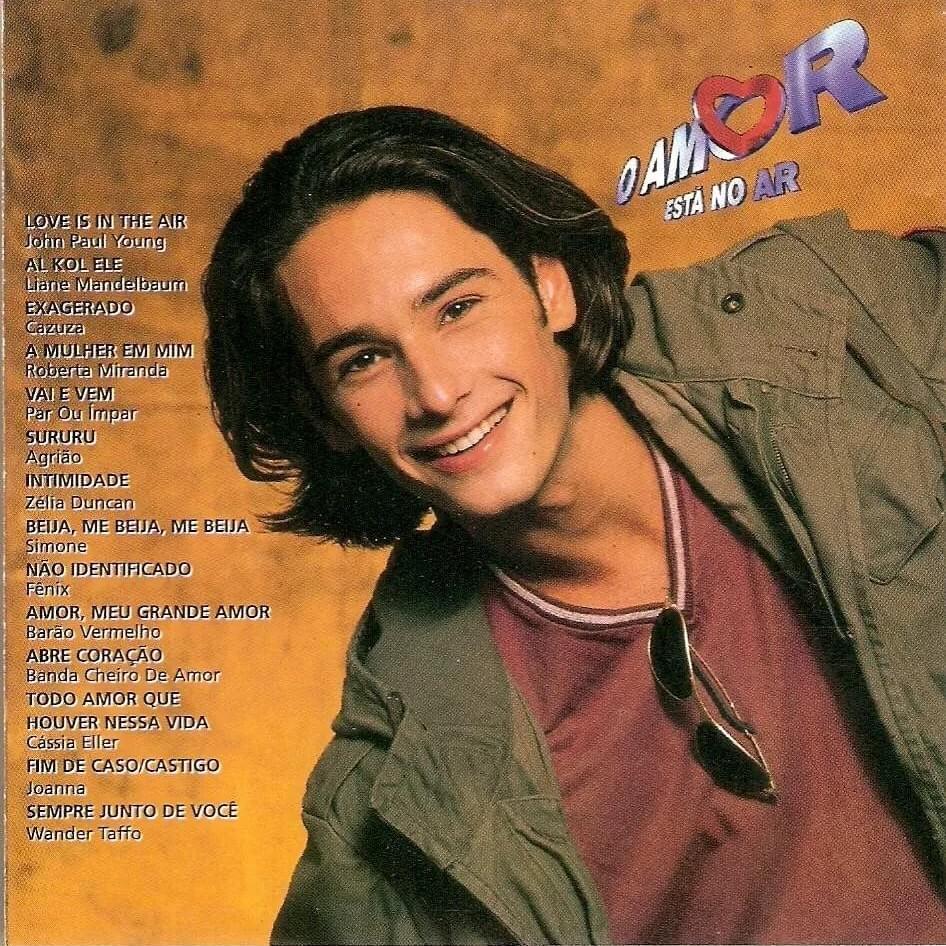
The repeated refrain, "Ah, abre coração / Vem me fazer feliz," serves as a desperate, almost childlike appeal. It’s a direct plea for the other person to open their heart, not just for reconciliation, but to restore the narrator's own happiness. The simplicity and repetition of this request underscore the depth of their need and the singular focus of their desire for emotional rescue.
 View Artist