Song Meaning
The lyrics paint a picture of a gritty, underground existence, constantly on the move and evading capture. The repeated phrase "Huggy Wuggy" acts as a recurring motif, almost a taunt or a signature, tied to movement through "ventilation shafts" and "vents." This imagery suggests operating in hidden spaces, out of sight, a clandestine operation. The narrator emphasizes their outsider status, "not from Warsaw," and their familiarity with the harsh realities of life, describing themselves as "przejebani" – a term implying being screwed over or deeply experienced in hardship. The constant presence of "syrens" and psychologists wanting to "catch" them reinforces this sense of being hunted or under scrutiny.
The central tension arises from this duality: the narrator is both a fugitive and a figure of considerable, albeit unconventional, status. They boast "swag" and claim to be the "goat," while simultaneously acknowledging their precarious situation and the attention from authorities or mental health professionals. The line "Your butt writes to me, it looks like Huggy Wuggy" is particularly striking, juxtaposing a sexual advance with the monstrous, elusive figure, suggesting a warped perception or a desire for connection with something dangerous and sought-after. This creates a disorienting blend of bravado and vulnerability, a persona built on being both feared and desired.
The most intriguing aspect of the craft is the persistent, almost nonsensical repetition of "Huggy Wuggy." It transforms from a potential reference to a character into a sonic brand, a sound that signifies their mode of operation and their identity. The contrast between the menacing, hidden movements and the boastful claims of being "too handsome" and having "swag" creates a compelling, if unsettling, character. The lyrics suggest a self-mythologizing process, where the narrator crafts an image of an untouchable, cool, and dangerous individual, even as they are actively being pursued.
This lyrical approach is effective because it immerses the listener in a specific, raw atmosphere without over-explaining. The fragmented imagery and the relentless repetition of the titular phrase create a sense of urgency and mystery. The narrator's confidence, juxtaposed with the implied danger and pursuit, makes their claims of being the "goat" feel both audacious and, within the context of their world, potentially earned. It's a portrayal of survival and self-definition in the shadows, where reputation is built on elusiveness and a defiant attitude.
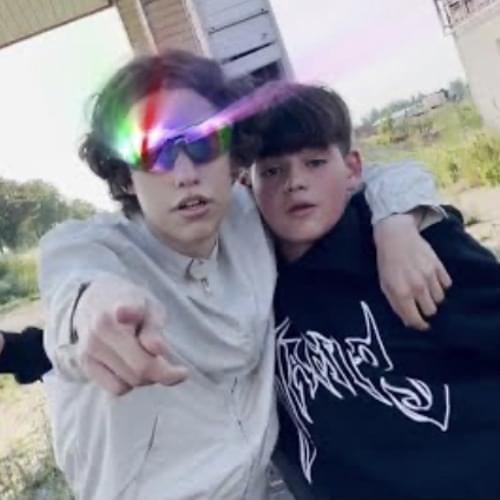
 View Artist