Song Meaning
These lyrics paint a vivid, sun-drenched scene. A simple beach setting, with "un poquito de arena," sets the stage for a budding romance. The narrator longs for "tiempo para amar" with a specific person. It's a snapshot of pure, unadulterated desire.
Yet, beneath this idyllic surface lies a subtle tension. The presence of "olas y el viento" introduces an element of unpredictability, suggesting that anything "puede pasar." This natural force hints at the fragile nature of even perfect moments. It creates a sense of urgency, urging the listener to embrace the present.
The repetition of the desire for love anchors the initial longing, while the later insistence that "Todo cambia" grounds the sentiment in a broader truth. This contrast is key. The recurring French title, evoking the sun, acts as a vibrant, almost incantatory refrain. It's a bright, constant beacon amidst the shifting sands of time.
The effectiveness of these lyrics stems from their elegant simplicity. They capture the universal desire for connection within a beautiful, transient setting. By juxtaposing the small, specific details of a beach encounter with the vast, undeniable force of change, the lyrics create a powerful, bittersweet call to live fully in the present. It's a reminder that even fleeting moments can hold profound meaning.
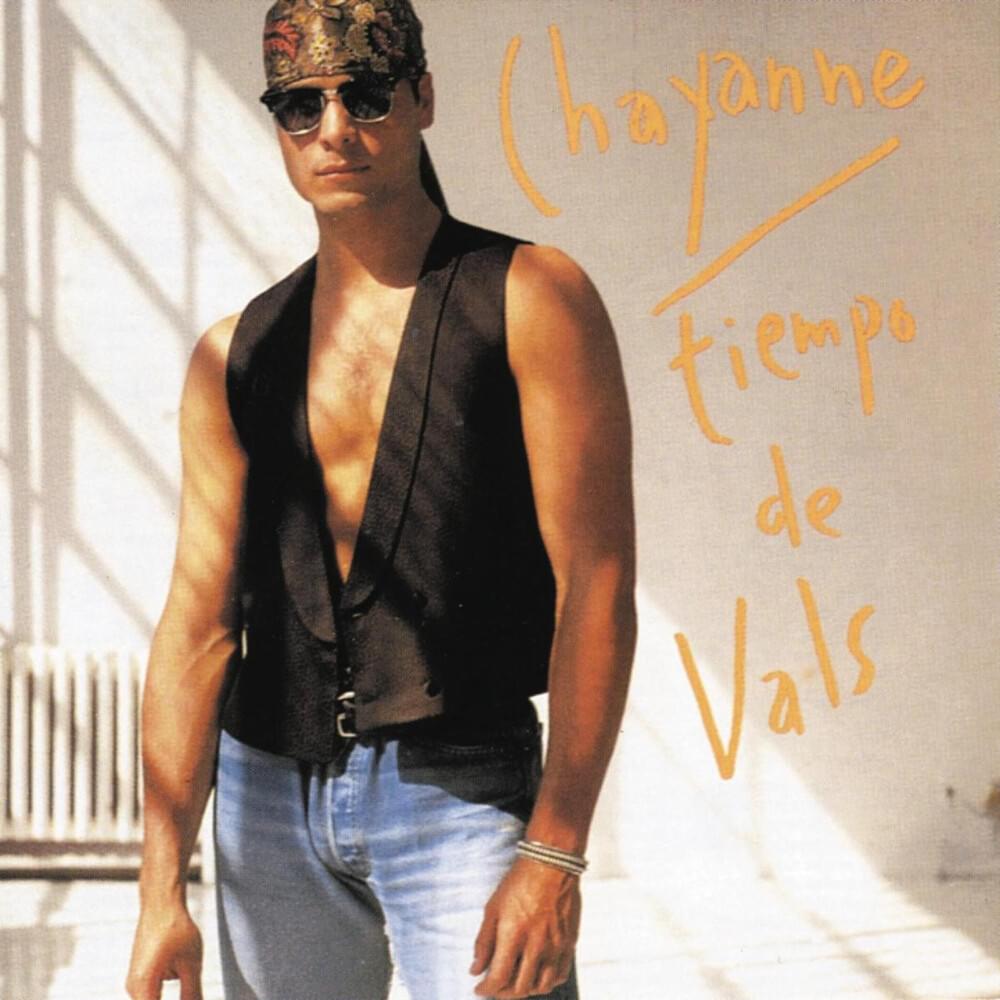
 View Artist