Song Meaning
The lyrics paint a stark picture of a relationship where one person feels reduced to a mere 'vice' in the other's life. The opening lines set a scene of casual, almost detached infidelity, mentioning a specific location, Pinamar, and a mundane act, 'masturbando a la nena.' This immediately establishes a tone of resignation and a lack of emotional investment from the speaker's perspective, suggesting that the other person's actions, however hurtful, are not worth the trouble of dwelling on.
The central tension arises from the speaker's self-perception as an expendable 'vice' within a broader societal context. The repetition of 'Yo soy un vicio más' emphasizes this feeling of being just another fleeting indulgence, easily replaced or discarded. The question '¿Por qué no me dejás / Si es que sólo soy un vicio?' highlights a desperate plea for clarity or release, questioning why they are still involved if they are perceived as nothing more than a habit to be quit.
The most striking aspect of the writing is the ironic framing of the relationship as a 'gospel' or a fundamental truth, despite its destructive nature. The speaker claims to be 'el último vicio,' positioning themselves as the final, perhaps most potent, indulgence in the other person's life. This elevates the mundane act of being a 'vice' to a kind of sacred, albeit negative, status, creating a dark, almost nihilistic commentary on desire and attachment within a transactional society.
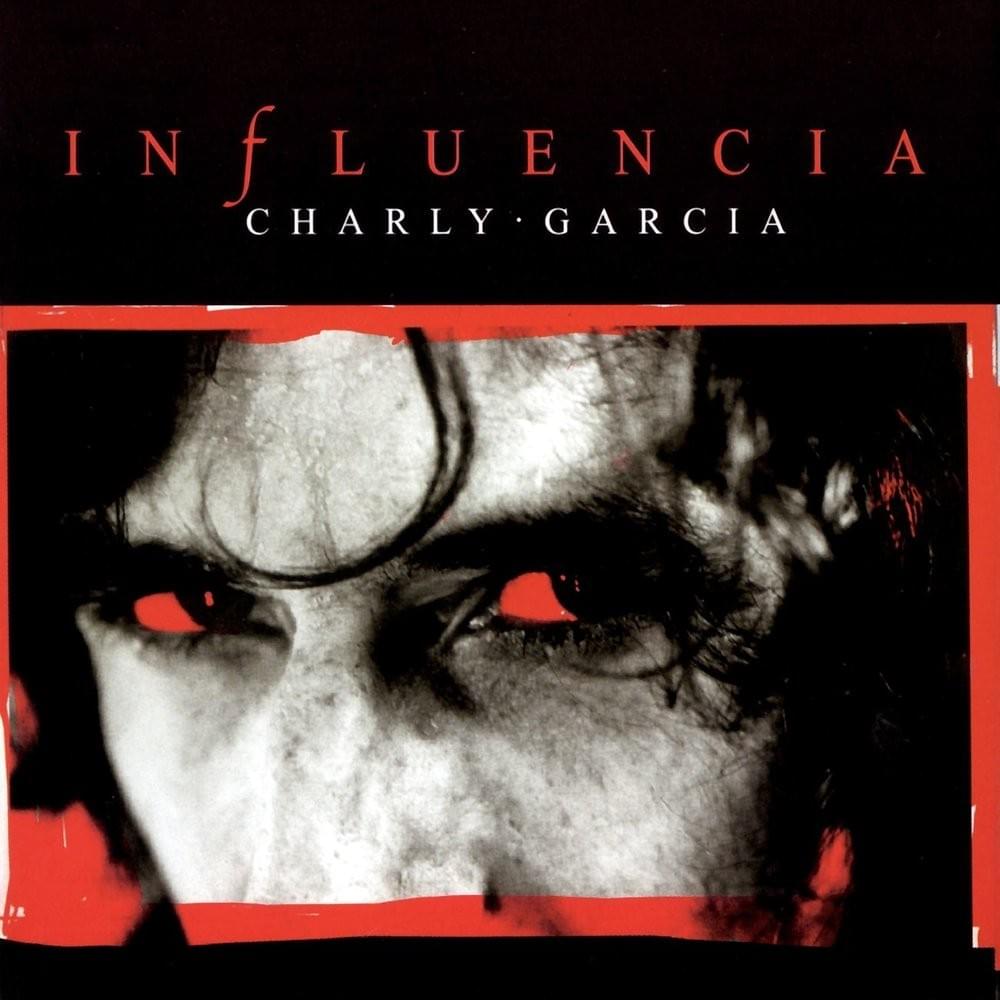
 View Artist