Song Meaning
The lyrics paint a stark picture of a city where everyone is a "suicida," a term that feels less about literal self-harm and more about a pervasive sense of internal damage or a life lived on the brink. This isn't a song about despair, but a matter-of-fact declaration of a shared condition. The repetition of "Es la verdad" grounds this observation, making it feel like an undeniable, almost mundane reality for the inhabitants of this urban landscape.
The central tension emerges between a desire for escape and the crushing reality of confinement. The narrator longs to "ver ese mar al amanecer," a potent image of freedom and new beginnings, but is met with "esta pared," a symbol of insurmountable obstacles. This contrast highlights a deep-seated yearning for growth and change that is constantly thwarted by the unyielding circumstances of their environment. The parenthetical lines, "Preciso tiempo para crecer," further emphasize this frustrated desire for development.
The most striking craft element is the redefinition of "suicida" and the contrasting imagery of cats with "mil vidas." While the people are "suicidas" with "una herida," cats possess multiple lives, suggesting a resilience or a different kind of existence that the human inhabitants lack. This juxtaposition underscores the feeling of being trapped and vulnerable, despite the universal declaration of this shared, wounded state. The later image of "estatuas de sal" wanting to "volver" adds another layer, hinting at a past self or a lost potential they wish to reclaim.
Ultimately, these lyrics resonate because they articulate a feeling of collective entrapment and a quiet resignation to a difficult truth. The directness of the language, the stark contrasts, and the repeated assertion of "la verdad" create a powerful, almost bleak, but undeniably honest portrait of a community grappling with its limitations. The closing lines, "Ahora no pregunto más adónde va la estrada / Ahora ya no espero más aquella madrugada," suggest a shift from hopeful anticipation to a more grounded, perhaps even hardened, acceptance of the present.
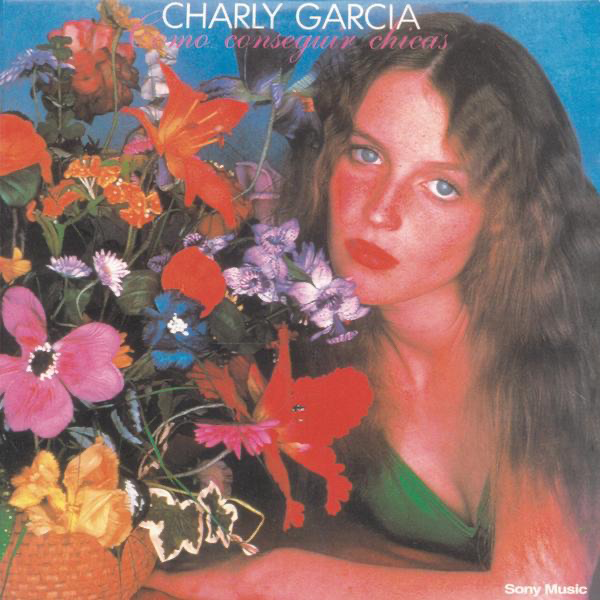
 View Artist