Song Meaning
Charlotte Martin's "Last Day On Earth" isn't a saccharine apocalypse ballad; it's a raw, unflinching portrait of codependency teetering on the edge. The song meaning revolves around a relationship so intensely intertwined that the speaker's sense of self seems to dissolve without the other person's presence. The opening lines, "Once again you know my little world is caving in / I can't struggle anymore, my love," immediately establish a pattern of reliance and impending collapse. The repeated plea, "If it's the last day on earth / I won't see any face but yours / Before I slip away," suggests a desire to be consumed entirely by the relationship, a final act of surrender before oblivion. This isn't necessarily a literal end-of-the-world scenario, but rather the end of the speaker's personal world as they know it.
The lyrics delve into themes of self-destruction and a desperate yearning for oblivion. "So I'm cutting out my eyes and feeling faded now," isn't just dramatic imagery; it's a symbolic representation of blinding oneself to reality, choosing instead the hazy comfort of the relationship, however toxic. The lines, "Life may fail me, love will leave me / But I still have faith in something," offer a glimmer of hope, but that 'something' appears to be the very codependency that's causing the pain. This is reinforced by the willingness to accept lies ("Won't you lie to make me happy?") and to be completely drained by the other person ("Won't you drink me dry so I can slip away?"), highlighting a desire to escape through the relationship, even if it means sacrificing oneself.
Ultimately, “Last Day On Earth” portrays a complex and unsettling dynamic. The willingness to embrace destruction and fantasy over facing reality paints a picture of profound emotional exhaustion. The final repetition of "I'll slip away" doesn't offer resolution, but rather emphasizes the speaker's resignation. Charlotte Martin captures the dark beauty of two people clinging to each other as their world, and perhaps their individual selves, crumble around them. The song's power lies in its honesty, its refusal to romanticize a relationship built on such precarious foundations.
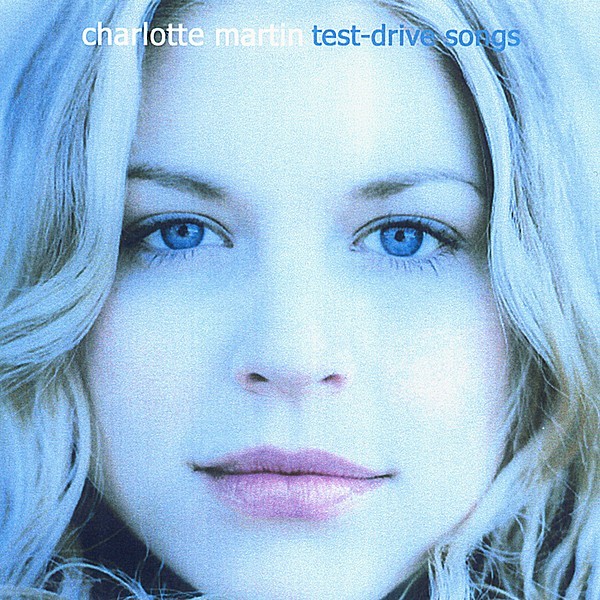
 View Artist