Song Meaning
The lyrics paint a vivid picture of impulsive, passionate connection, set against a backdrop of immediate physical sensation and a defiant disregard for consequences. The opening lines, "Under my skin, under my bones, under my body," establish a deep, almost primal sense of being consumed by another person, amplified by the recurring "in the darkness." This isn't just a casual encounter; it feels like an all-encompassing experience where the external world fades away, leaving only the raw intimacy of "the taste of your lips" and the shared physical space.
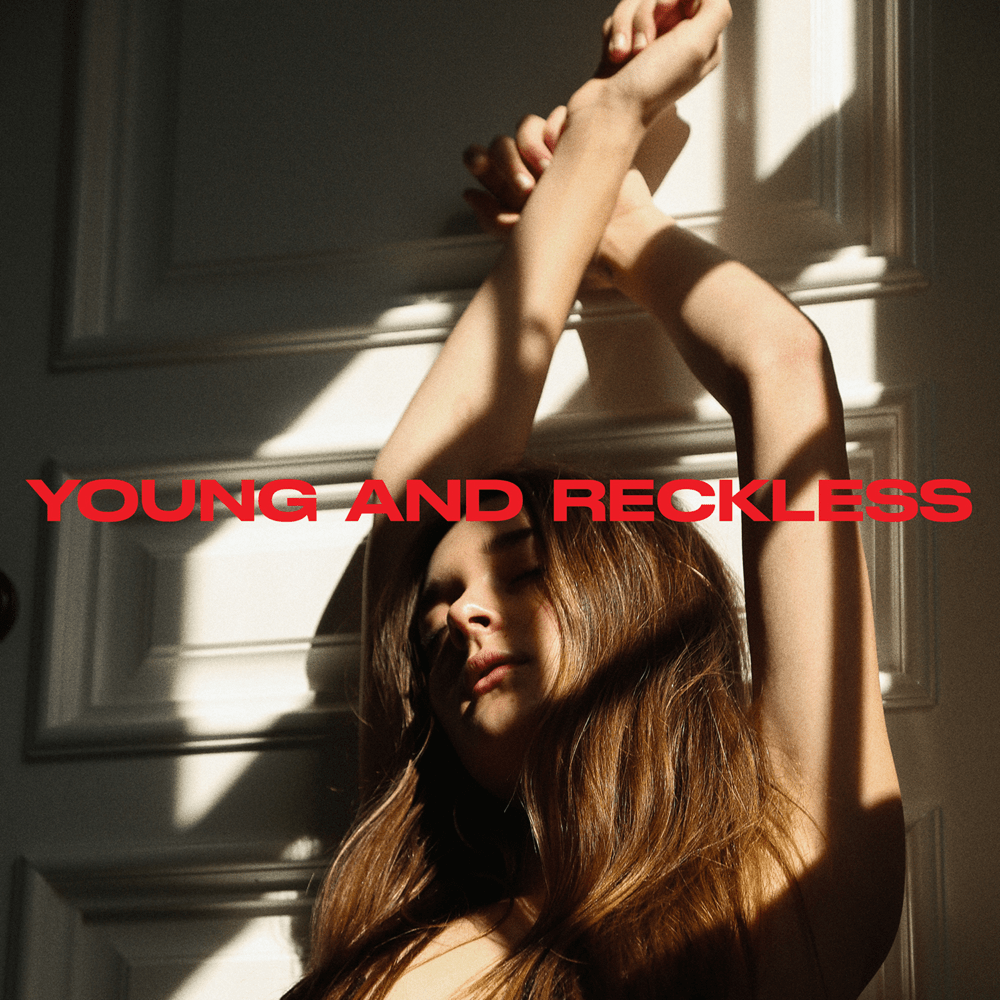
The central tension lies in the intoxicating embrace of recklessness, a deliberate choice to prioritize the present moment over any potential future fallout. The repeated pre-chorus, "And I can't help myself / And I don't want to," perfectly captures this surrender to impulse, a feeling echoed by the partner's reciprocal lack of resistance. This mutual, unforced capitulation to desire fuels the defiant anthem of the chorus: "We're just young and reckless / If we wreck this, it's fine." The casual dismissal of potential disaster is the core of their shared ethos.
The imagery in the second verse shifts to a more public, yet still intimate, setting: "Back of the car, sat on your lap under the jacket." This scene, with "Feet out the window" and "Hands on my neck," conveys a sense of exhilarating freedom and a bold lack of concern for appearances. The feeling of "flyin', we're flyin'" suggests an emotional high, a state of euphoria that makes the risks seem negligible. The bridge then zeroes in on a specific detail, "Oh, your green eyes," and a desire for possession and control, "Tell me you're mine / And I'll do what you want to," further cementing the intensity of their connection and the willingness to be consumed by it.
Ultimately, the effectiveness of these lyrics stems from their unflinching commitment to capturing a specific, potent emotional state: the thrilling, dangerous freedom of youth when passion overrides prudence. The repeated phrases, the stark imagery of darkness and impulsive action, and the casual acceptance of ruin all combine to create a powerful sense of living entirely in the moment. The final lines, "Let's just get undressin' / Get arrested / It's fine," serve as a perfect, albeit extreme, encapsulation of this philosophy, where even legal trouble is framed as an acceptable, even exciting, byproduct of their reckless abandon.
 View Artist