Song Meaning
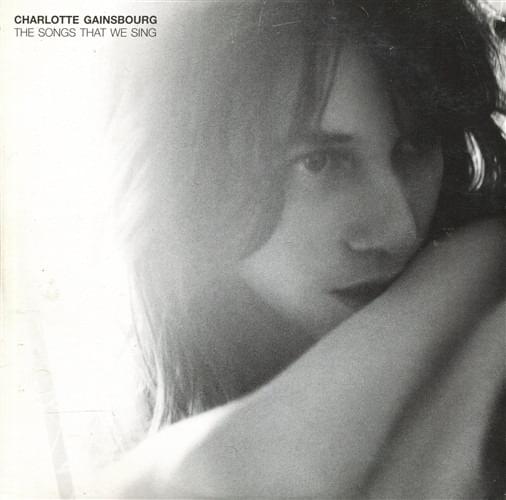
Charlotte Gainsbourg's "The Songs That We Sing" isn't a straightforward narrative; it's a collection of fragmented observations, each a melancholic snapshot of disconnection and disillusionment. The opening lines immediately establish a sense of loss, a yearning for a past version of someone—presumably a lover—before fear and experience calcified their spirit. This initial wistfulness bleeds into subsequent verses, painting a portrait of alienation. The encounter with the little girl who recoils in fear isn't just a random anecdote; it's a stark metaphor for Gainsbourg's perceived estrangement from the world, a world that now views her with suspicion or unease. The line “It happens to me more and more these days” suggests a growing awareness of this disconnect, a creeping feeling of being othered.
The chorus serves as the song's central question, a meta-commentary on the very act of artistic expression. "Do they mean anything / To the people you're singing them to / People like you?" Gainsbourg seems to be questioning the efficacy of her art, wondering if these 'songs'—these attempts at communication and connection—truly resonate with her audience, or if they simply echo in a void. This self-doubt is further amplified by the bizarre image of the woman bathing in money, a symbol of hollow excess and potential self-destruction. The lyric injects a dose of societal critique, hinting at the corrosive influence of wealth and the emptiness it can breed.
The final verse, with its darkly humorous declaration, "I read a magazine / That said by seventeen / Your life was at an end / I'm dead and I'm perfectly content," is perhaps the most unsettling. It's a sardonic commentary on societal expectations and the perceived obsolescence of aging, particularly for women in the public eye. Gainsbourg embraces a kind of detached acceptance, a morbid contentment in a state of metaphorical death. This acceptance, however, isn't necessarily peaceful; it carries a hint of defiance, a refusal to conform to the pressures of a culture obsessed with youth and relevance. Ultimately, "The Songs That We Sing" is a haunting meditation on loss, alienation, and the search for meaning in a world that often feels indifferent.
 View Artist