Song Meaning
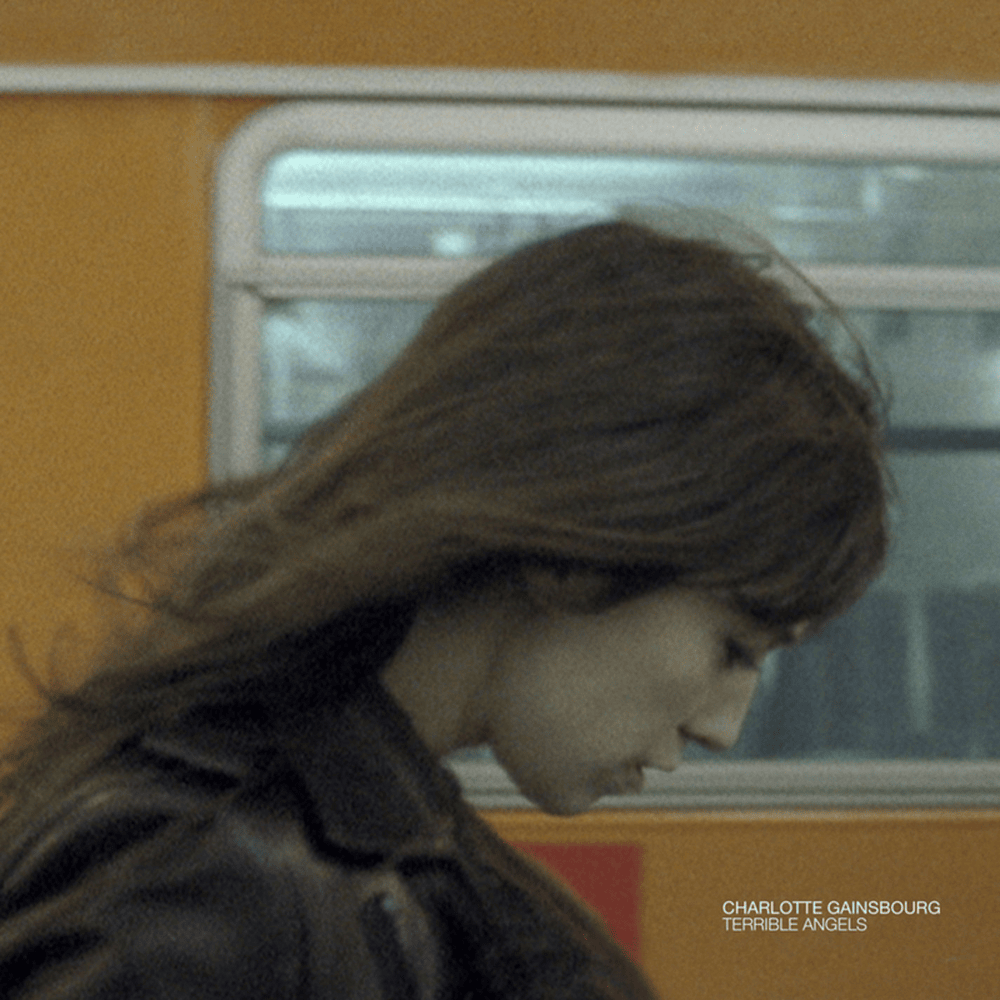
Charlotte Gainsbourg's "Terrible Angels" isn't just a song; it's a descent. A spiraling confrontation with inherited trauma, perhaps, or the inescapable weight of a family legacy. The opening lines paint a stark picture of physical distress – a pounding head, dry mouth, burning eyes – suggesting a hangover, a breakdown, or something far more profound. This vulnerability immediately throws us into the deep end of Gainsbourg's psyche, where the sacred and profane collide. The fragmented phrases "Pan de sal, Blanc Ménage," juxtaposed with "Holy holy," hint at a struggle between earthly desires and spiritual yearning, a push and pull that intensifies the internal "tension" she describes. The repeated plea to the "Seraphim" not to pull her down speaks to a fear of succumbing to something – a dark family history, mental illness, or perhaps the overwhelming pressure of expectations. The "drowning man" could represent a toxic relationship, a personal demon, or even the specter of her famous parents.
The core of the song meaning lies in the desire for "release from absolution." This isn't a simple wish for forgiveness; it's a rejection of it. Absolution implies guilt, and Gainsbourg seems to be fighting against the idea that she needs to be cleansed or excused for something. This resistance to easy answers and pre-packaged redemption is central to the song's power. She embraces the "Terrible angels, infant sorrows," acknowledging the painful aspects of her past and present. The "twilight horses" and ancestral figures suggest a connection to something ancient and powerful, both protective and tormenting. This duality is key: she's not simply a victim, but an inheritor of complex forces.
The latter half of the song plunges further into sensory overload: "Benediction, Good intentions, Blue black flowers, Poison wine, Blood ecstatic." These images create a hallucinatory landscape where beauty and danger are intertwined. The line "Annihilate the sense of things" suggests a desire to escape the rational world and embrace a more primal, intuitive state of being. Ultimately, "Terrible Angels" is about being "born into these breaking hours," a constant state of flux and transformation. The repetition of "Out of change change change" at the end emphasizes the cyclical nature of life, death, and rebirth. It's a messy, uncomfortable, and ultimately cathartic exploration of the human condition, filtered through Gainsbourg's uniquely haunting lens.
 View Artist