Song Meaning
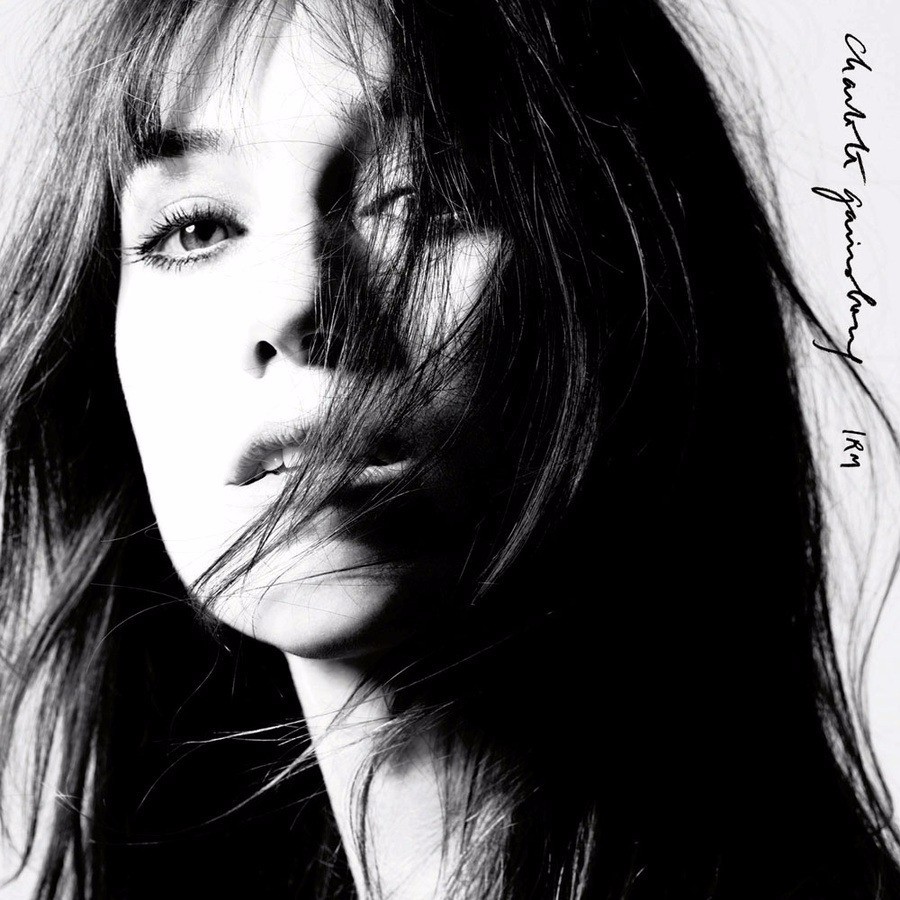
Charlotte Gainsbourg's "Looking Glass Blues" is less a song and more a sonic excavation of the self, a journey into the distorted reflections of identity. The lyrics, steeped in surreal imagery, evoke a sense of profound alienation and a desire to escape the burdens of existence. The opening lines, "Think I'd like to climb down in a hole / Down in the bottom of the world below," immediately establish this yearning for withdrawal, a descent into the subconscious where the familiar rules of reality no longer apply. The "looking glass" motif, a clear nod to Lewis Carroll, suggests a confrontation with a reversed or distorted version of oneself, an invitation to delve into the hidden corners of the psyche. The repeated phrase "Looking glass blues" encapsulates the melancholic acceptance of this distorted reality. Gainsbourg isn't just observing her reflection; she's inhabiting it.
The desire to shrink, to "drink a little bottle and I disappear," speaks to a wish to diminish the self, to become small enough to fit into "the heard of anywhere." This hints at a rejection of individuality, a surrender to the collective, perhaps as a means of alleviating personal anxieties. The lyrics then shift into a more existential plane, with references to time moving backwards and borrowed dreams, creating a sense of disorientation and detachment. The image of being "stranded on a chest board" suggests a feeling of powerlessness, trapped in a predetermined game with no agency. The backwards blues become a metaphor for a life lived in reverse, a lament for lost potential or opportunities.
The final verses offer a glimmer of understanding, albeit a bleak one. The looking glass reveals "the opposite of everything that you can't have," highlighting the inherent human longing for what is unattainable. The realization that "the ugliest thing inside a heard you can think of" is now reaching, implies the acceptance of the dark aspects of the collective human experience, and perhaps the artist's own psyche. The closing lines, with their "counterfeit soul with an infant brain," suggest a resignation to a simplified, perhaps even inauthentic, existence as a means of coping with the complexities of the world. It's a raw and unsettling exploration of identity, belonging, and the often-painful process of self-discovery.
 View Artist