Song Meaning
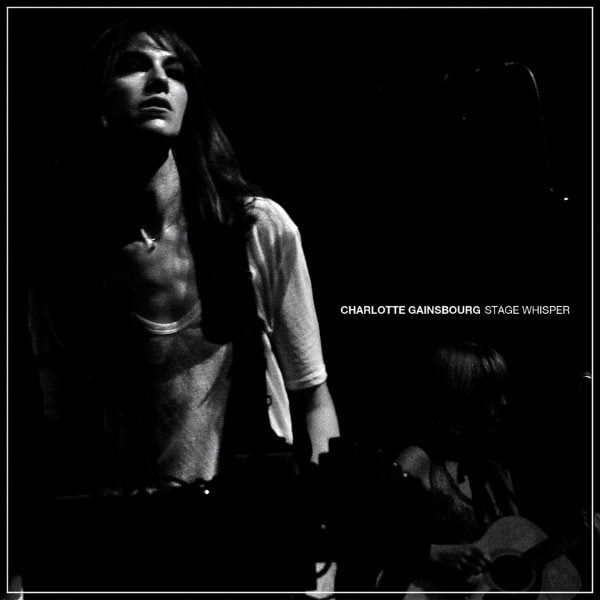
{"song_id": 12881295, "meaning": "Charlotte Gainsbourg's \"In The End (Live)\" isn't a victory cry; it's a weary exhale questioning life's ultimate justification. The opening lines, “Help me to see / What it's all coming to,” immediately establish a tone of searching, almost pleading. Gainsbourg isn't demanding answers, but rather expressing a deep-seated need for clarity amidst the chaos of existence. The \"crumbs on the table / And mud on these shoes\" imagery evokes a sense of lived experience, the residue of a journey that's been both nourishing and dirtying. It's the everyday reality that obscures any grand design. The repetition of “Who's to say it's all for the best in the end” functions as the song's central, haunting question. It's not necessarily a cynical rejection of hope, but a challenge to the easy platitudes and comforting narratives we often tell ourselves to make sense of suffering.
The middle verses delve into the complexities of human interaction. Gainsbourg acknowledges the duality of human nature: “Some hands will rob you / And some hands will beg.” This stark contrast highlights the inherent inequalities and moral ambiguities of the world. The lines about promises – “Some say they'll stay / Til the last dying day” – hint at the unreliability of even the most heartfelt commitments. The song then moves into a consideration of the limits of language and force. \"If actions can't speak / And words cannot do / What ten thousand armies / Can't even fight through,\" Gainsbourg sings, suggesting that some barriers are simply insurmountable, untouched by either physical might or eloquent expression. This idea amplifies the song's central questioning of meaning and purpose.
Ultimately, “In The End (Live)” resists providing easy answers, and it's this refusal that makes the song so compelling. The song meaning lies not in any resolution, but in the raw, vulnerable expression of doubt. Gainsbourg isn't offering a nihilistic dismissal of life, but rather a mature acknowledgement of its inherent uncertainties. The repeated questioning challenges the listener to confront the same existential anxieties, to grapple with the possibility that there may not be a neat, satisfying resolution to the human experience. The beauty is in the asking, not the knowing."}
 View Artist