Song Meaning
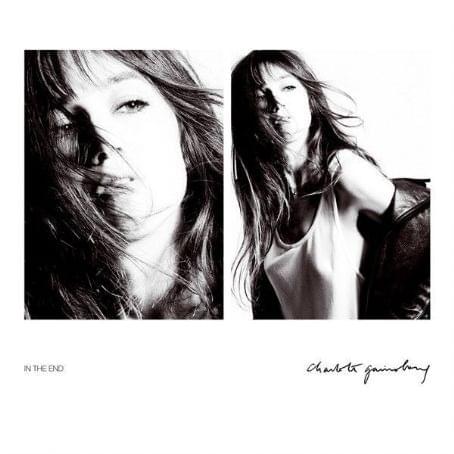
Charlotte Gainsbourg’s "In The End" isn't so much a song as it is a stark meditation on disillusionment. The lyrics, spare and haunting, paint a picture of a journey undertaken, perhaps a relationship or a life path, now littered with the residue of experience. "Crumbs on the table / And mud on these shoes" evokes a domesticity gone stale, a sense of being weighed down by the mundane realities that accumulate over time. The weariness is palpable: "Treading so long / I can't see where we've been." This isn't nostalgia; it's a profound disorientation. The lyrics explore the tension between hope and resignation, a push-and-pull familiar to anyone who has weathered significant life changes. Gainsbourg isn't offering platitudes or easy answers. Instead, she confronts the listener with the raw, unsettling truth that sometimes, despite our best efforts, clarity remains elusive. The repeated question, "Who's to say it's all for the best in the end," isn't a rhetorical query seeking agreement. It's a challenge, an act of defiance against the comforting narratives we tell ourselves to make sense of the chaos.
"In The End" acknowledges the inherent contradictions of human interaction. "Some hands will rob you / And some hands will beg" encapsulates the spectrum of exploitation and dependency that colors our relationships. The promise of unwavering support, "Some say they'll stay / Til the last dying day," rings hollow in the face of the song's overall cynicism. Gainsbourg suggests that words and even actions can fall short, failing to bridge the gaps created by deeper, perhaps irreconcilable, conflicts. The reference to "ten thousand armies" hints at the futility of force, implying that some battles cannot be won through conventional means. This could be interpreted as a commentary on the limitations of external solutions to internal struggles. The song meaning, therefore, lies in its unflinching portrayal of existential uncertainty, a refusal to sugarcoat the complexities of life and relationships.
Ultimately, the power of "In The End" resides in its ambiguity. Charlotte Gainsbourg doesn't provide a tidy resolution or a comforting moral. She leaves us suspended in a state of questioning, forcing us to confront our own anxieties about the meaning (or lack thereof) in our lives. The song acts as a mirror, reflecting our own experiences of disappointment, doubt, and the persistent search for meaning in a world that often feels arbitrary. It's a testament to Gainsbourg's artistry that she can evoke such profound emotions with such minimalist lyrics, creating a haunting and unforgettable listening experience.
 View Artist