Song Meaning
Charlotte Church's rendition of "The Little Horses" isn't just a lullaby; it's a brittle promise whispered in the dark. The repetition of 'Hush bye-bye don't you cry' acts as a sonic balm, attempting to soothe a child (or perhaps the child within us all) with the conditional comfort of future rewards. But the promised 'pretty little horses' become increasingly unsettling upon closer inspection. They represent a gilded cage, a world of aesthetic beauty offered as a substitute for genuine emotional connection. The horses, described in their various colors, become symbols of material possessions and perhaps even societal expectations, things that can be acquired but ultimately fail to fill the void of true comfort.
The listing of 'Blacks and bays, dapples and greys' transforms the innocent image of playthings into something more akin to a stable of status symbols. The 'coach and six little horses' evokes images of wealth and privilege, implicitly suggesting that these external trappings are the key to happiness. However, the cyclical nature of the lyrics, constantly returning to the plea of 'Hush bye-bye don't you cry,' betrays a deeper anxiety. It's as if the singer is trying to convince both the child and herself that these material comforts are enough to quell the underlying sadness. The promise of 'sweet cake' further emphasizes this substitution of genuine care with fleeting pleasures.
The song's true meaning lies in its exploration of conditional love and the insidious ways in which material possessions can be used as a substitute for emotional security. The 'pretty little horses' are not simply toys; they are stand-ins for the love and attention that the child (or the inner child) truly craves. Church's delicate vocal performance, combined with the haunting melody, underscores the fragility of this arrangement. It's a lullaby sung not out of pure love, but out of a desperate need to maintain a facade of contentment, leaving the listener with a lingering sense of unease and the unsettling realization that sometimes, the prettiest things can mask the deepest pain.
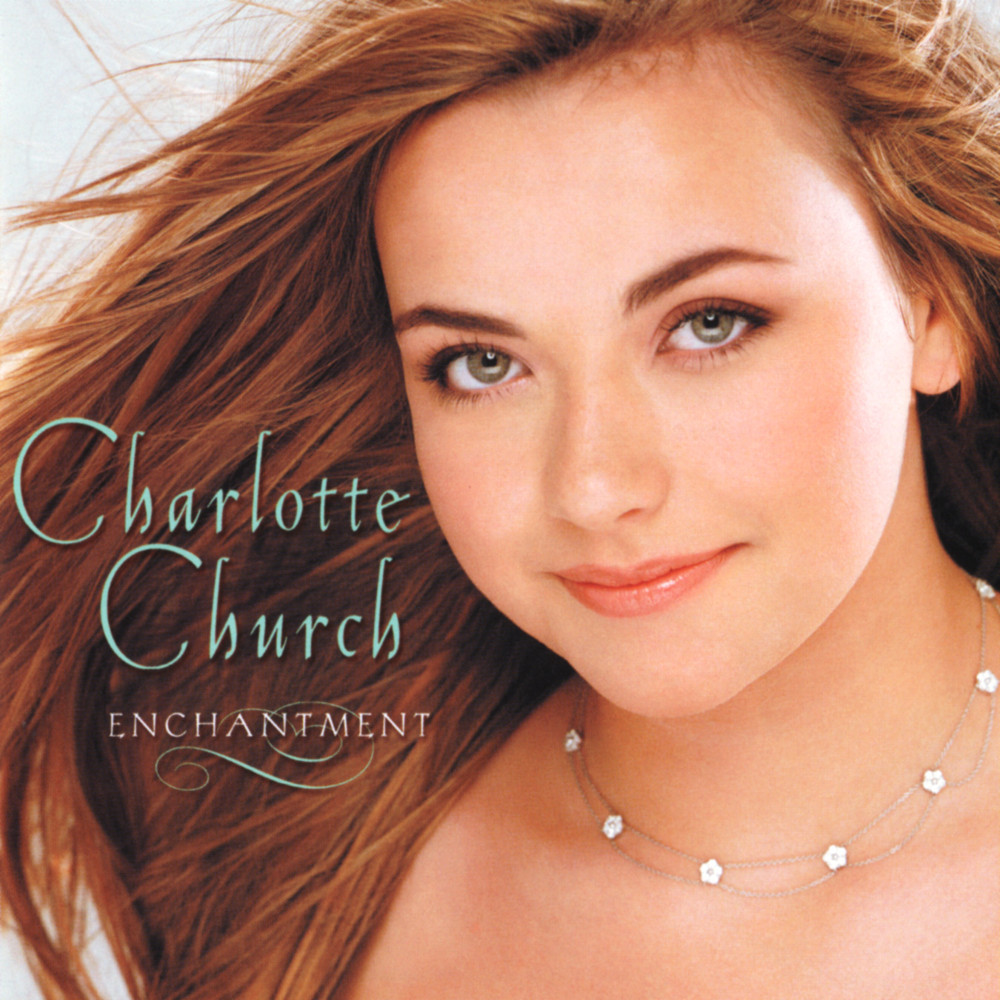
 View Artist