Song Meaning
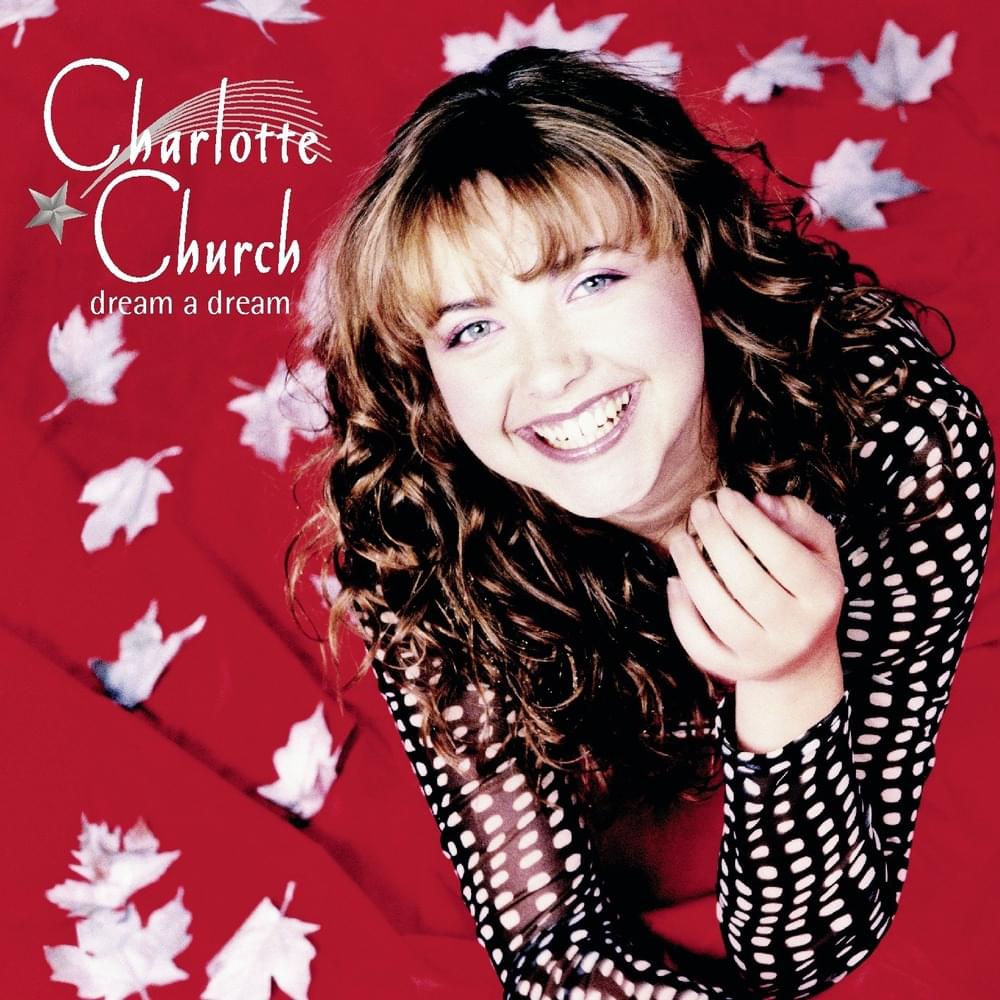
Charlotte Church's rendition of "The Coventry Carol (Lully Lullay)" isn't merely a Christmas lullaby; it's a chilling tableau of maternal grief and impending doom. The deceptively gentle "Lully, lullay, thou little tiny child" refrain, repeated like a fragile shield against the encroaching darkness, belies the song's grim core: King Herod's decree to slaughter all young children in an attempt to eliminate the infant Jesus. This juxtaposition of tenderness and terror is the song's most potent psychological weapon. It forces the listener to confront the unbearable vulnerability of innocence against the backdrop of absolute power and senseless violence. The lullaby, traditionally a symbol of comfort and safety, becomes a lament, a desperate attempt to soothe a child marked for death.
The lyrics, stark in their simplicity, amplify the emotional weight. The lines "O sisters too, how may we do? / For to preserve this day / This poor young ling for whom we do sing" reveal the collective anxiety and helplessness of the mothers. They are caught in an impossible situation, their only recourse being a song, a fragile act of defiance against the inevitable. The mention of "Herod the king in his raging" injects a historical and political dimension into the personal tragedy. It's a reminder that the slaughter of innocents is often driven by the paranoia and unchecked power of rulers.
Ultimately, "The Coventry Carol (Lully Lullay)" is a haunting exploration of loss and the perversion of maternal instinct under duress. The concluding lines, "Then woe is me, poor child for thee / And ever mourn and say / For thy parting nor say nor sing / By, by, lully, lullay," underscore the devastating finality of the situation. The mothers' mourning becomes a permanent state, their voices forever silenced by the magnitude of their grief. Church's interpretation, with its clear, almost ethereal vocals, only deepens the song's unsettling beauty, making it a timeless meditation on the fragility of life and the enduring power of maternal love in the face of unspeakable horror. It's a poignant example of how folk traditions can transmit profoundly difficult emotional truths across generations.
 View Artist