Song Meaning
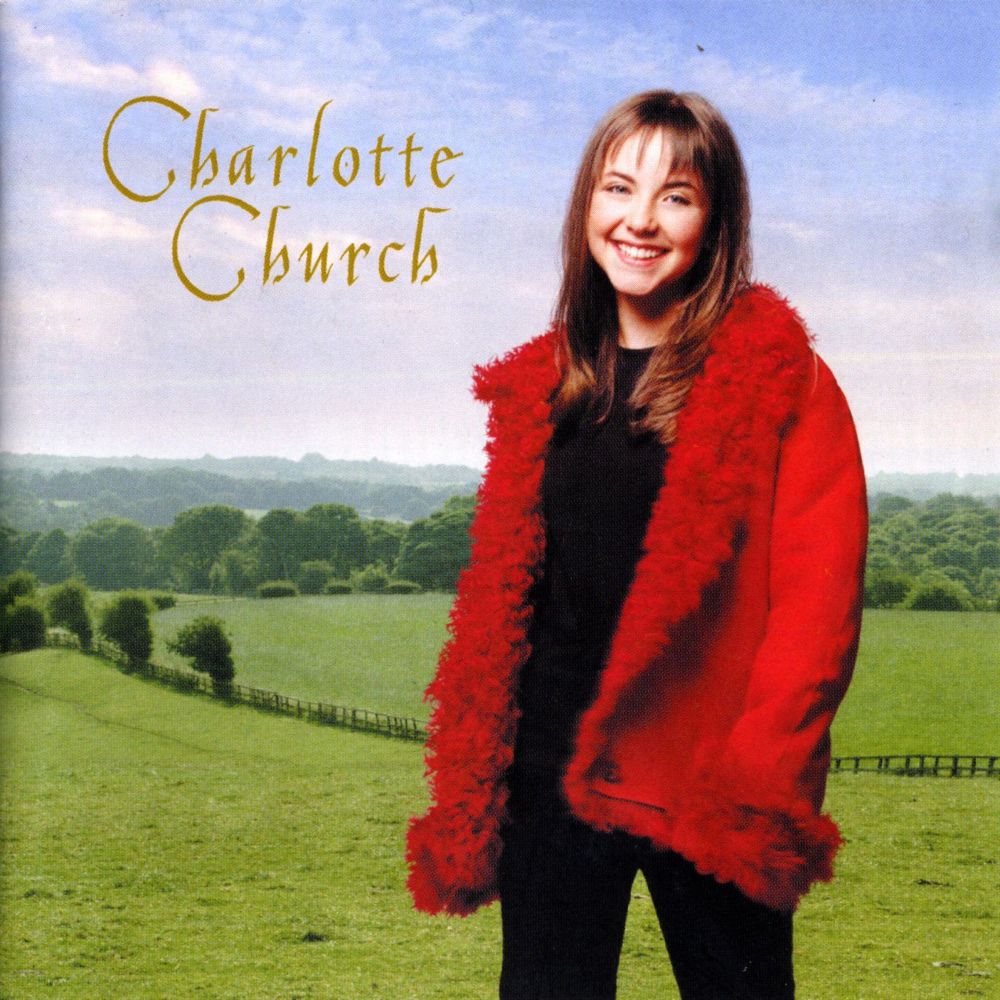
Charlotte Church's "Lullaby" isn't just a simple bedtime song; it's a carefully constructed space of serenity, a sonic refuge built from whispered promises and ethereal imagery. The lyrics paint a picture of a world softened by night, where even the roses participate in the ritual of sleep, hiding from view until dawn's gentle reawakening. This isn't a world of childish fantasy, but rather a mature understanding of comfort, where the beauty of nature is intertwined with the promise of safety and peace. The song's meaning resides in its ability to evoke this secure emotional landscape.
The promise of angels watching over the listener isn't merely a religious sentiment, but a projection of unconditional love and protection. The "dreamland of love" isn't a saccharine escape, but a representation of the subconscious mind as a place of ultimate acceptance and warmth. The lullaby acts as a psychological shield, deflecting the anxieties of the waking world with the assurance of constant, silent guardianship. The lyrics analysis reveals a deeper longing for safety and acceptance, couched in the gentle language of a traditional lullaby.
Ultimately, "Lullaby" transcends its simple structure to become a meditation on the power of comfort and the enduring human need for reassurance. Church’s interpretation offers a sophisticated take on a timeless theme, reminding us that even in adulthood, the yearning for a safe and loving space persists. The song's effectiveness lies in its ability to tap into this primal desire, using the language of dreams and angels to create a pocket of tranquility in a chaotic world.
 View Artist