Song Meaning
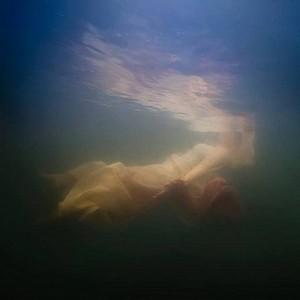
Charlotte Church's "I Can Dream" isn't just a lullaby; it's a potent exploration of the chasm between waking life and the boundless potential of the subconscious. The repeated mantra, "I can dream," serves as both an affirmation and a subtle lament, hinting at a reality that falls short of the dreamer's desires. It's the psychic architecture of longing, built with crystal cups and firestorms only accessible in the theater of sleep. The song meaning resides in this tension: the promise of limitless devotion versus the cold, hard limitations of the waking world.
The core of "I Can Dream" lies in its implicit contrast between grandiose, fantastical acts and the speaker's perceived inability to perform them in reality. The lyrics, with their hyperbolic imagery of building castles and controlling the elements, paint a portrait of someone desperate to provide, protect, and elevate a loved one. Yet, these acts are confined to the realm of dreams, suggesting a feeling of powerlessness or inadequacy in the face of real-world challenges. The line "I'd flood the ravine just to raise you up" speaks volumes about the lengths the speaker would go to, if only they possessed the means.
The recurring phrase, "Oh I will deliver when I sleep," underscores the escapist nature of dreaming. It's a declaration of intent, immediately tempered by the subsequent lines: "I deliver you and wake / Oh with a shiver when I sleep / I will shake myself / To face the day." This "shiver" is key—a visceral reaction to the rude awakening, the jarring return to a reality where promises are harder to keep. The final repetition of "I make promises" hangs in the air, heavy with the awareness that these promises are, for now, confined to the ethereal landscape of dreams. Charlotte Church has crafted a poignant meditation on desire, limitation, and the bittersweet solace found in the world of sleep.
 View Artist