Song Meaning
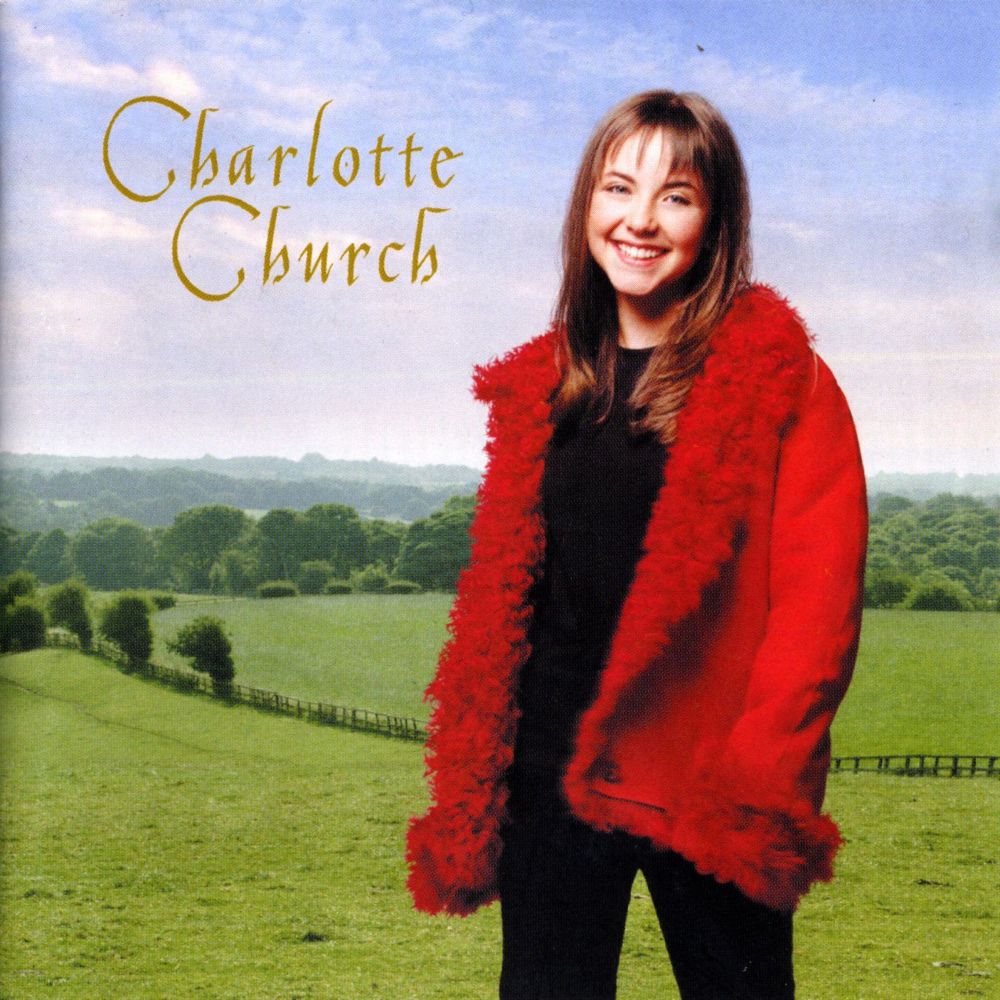
Charlotte Church's rendition of "Guide Me, O Thou Great Redeemer," featuring the London Welsh Male Voice Choir, transcends simple religious expression, tapping into primal human needs for guidance and solace. Stripped of overt dogma, the song functions as a raw appeal for strength in the face of existential uncertainty. The lyrics, steeped in biblical imagery, paint a picture of life as a "barren land," a challenging pilgrimage where the speaker acknowledges their inherent weakness. The "powerful hand" they seek isn't necessarily divine; it embodies any force that offers stability and direction amidst chaos. The "Bread of heaven" becomes symbolic not just of sustenance, but of any form of spiritual or emotional nourishment.
The interplay between Church's solo voice and the choir amplifies the song's emotional depth. Her individual plea for help contrasts with the choir's collective affirmation of faith, suggesting both personal vulnerability and the strength found in community. The "crystal fountain" and "healing streams" evoke a longing for emotional purification and renewal, a desire to wash away the accumulated pain and anxieties of life. The "fiery cloudy pillar" guiding the journey speaks to the need for constant vigilance and a guiding principle to navigate life's complexities.
Ultimately, "Guide Me, O Thou Great Redeemer" resonates because it addresses universal fears surrounding mortality and the unknown. The closing verse, referencing the "verge of Jordan" (a metaphor for death) and the promise of being safely landed on "Canaan's side" (heaven), isn't just a statement of religious belief. It is a powerful expression of hope and a yearning for peace in the face of life's ultimate transition. The "songs of praises" become an offering of gratitude, not just to a higher power, but to the forces that sustain us through our darkest hours.
 View Artist