Song Meaning
The narrator is caught in a cycle of painful, unrequited longing. Every attempt to move on or find solace leads them back to a place of rejection. The dominant tone is one of weary resignation, a quiet desperation that has become a familiar, unwelcome habit. It's the feeling of being pulled by an invisible, irresistible force towards a source of hurt.
This isn't a story of hope or a plea for a second chance; it's a confession of an inescapable compulsion. The narrator knows the outcome: "You don't love me you'd never let me stay." Yet, the magnetic pull is stronger than logic or self-preservation. The repeated phrase "right back at your door" acts as a refrain of futility, emphasizing the cyclical nature of their suffering and the absence of any real escape.
The most striking aspect is the passive surrender to this pattern. "Something guides my footsteps wrong" suggests an external force, or perhaps a deep-seated self-sabotage, that the narrator doesn't fight. The act of "bow[ing] my head and turn[ing] away" is a small, futile gesture of defiance against their own feet. It highlights the internal conflict: the mind knows it should leave, but the body, or some deeper impulse, refuses to obey.
This lyrical portrait is effective because it captures a specific, agonizing kind of emotional paralysis. It’s not about grand gestures or dramatic confrontations, but the quiet, persistent ache of knowing better and doing worse. The stark simplicity of the language and the relentless repetition mirror the inescapable loop the narrator is trapped within, making the feeling of being stuck palpable.
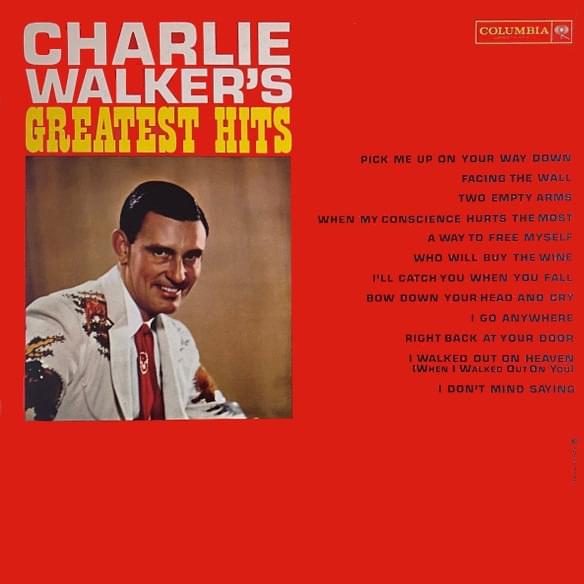
 View Artist