Song Meaning
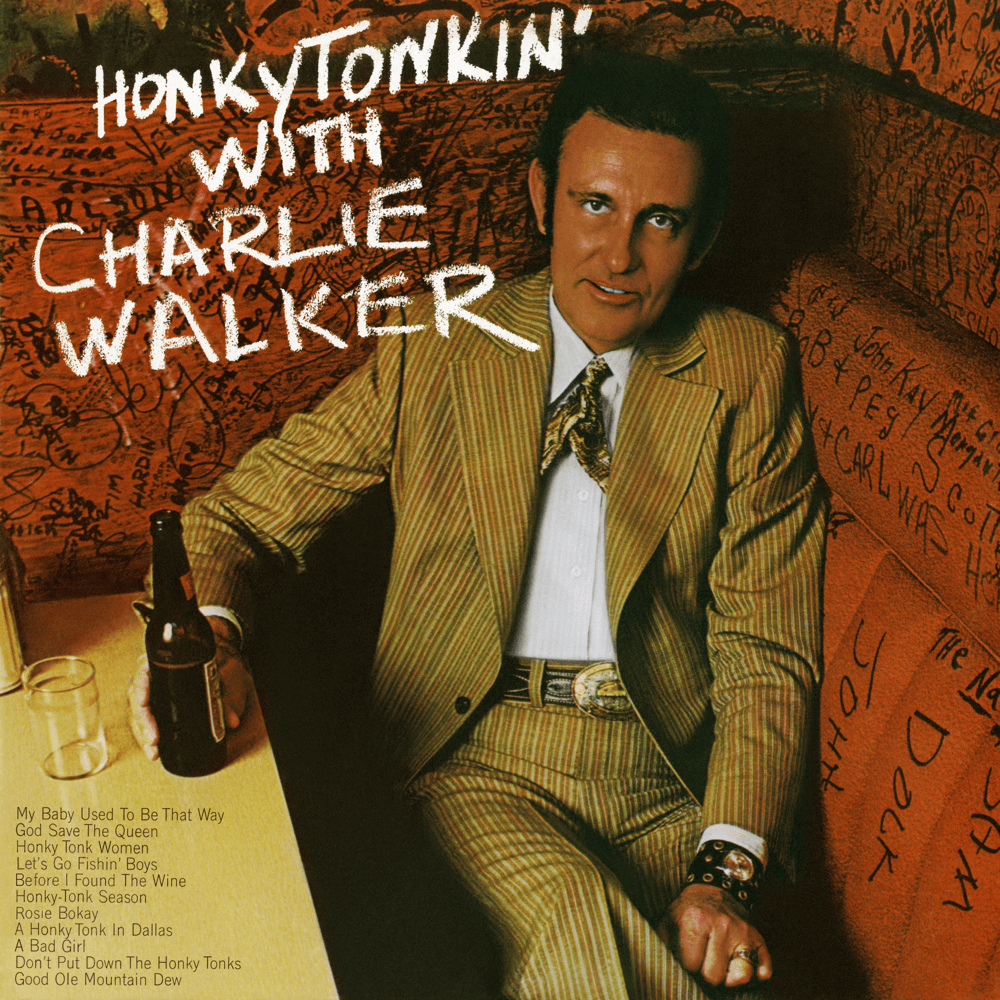
The lyrics paint a picture of a woman observed in a public space, bathed in light and dancing with others, a scene that immediately triggers a memory for the narrator: "My baby used to be that way." This refrain acts as a direct comparison, suggesting the woman being watched now embodies a past version of the narrator's own lover. The initial observation is tinged with a sense of detachment, as the narrator notes her prolonged presence and the casual way she interacts with multiple partners, reinforcing the idea that this is a familiar, perhaps even nostalgic, scene from his past.
The core tension lies in the narrator's reflection on his past relationship and his present perception of this other woman. He recalls nights of loneliness when his baby was absent, hinting at a period of instability or uncertainty. The turning point comes with the line, "Then I found her here one night took her home and loved her right," which suggests a resolution or a return to a more stable connection. This memory frames his current observation of the dancing woman not as a judgment, but as a recognition of a past state that has since been altered by his own actions and affection.
The repeated phrase "My baby used to be that way" functions as a melancholic anchor, emphasizing a transformation that has occurred. It’s not just a statement of fact, but an emotional echo of a time before his intervention. The lyrics then shift slightly, offering a defense of the observed woman: "So don't blame her for her way love will bring her better days." This suggests the narrator sees a parallel between her current situation and his baby's past, implying that she too is waiting for a stabilizing love. The final lines, "She's just waitin' for her man it's the only way she can," solidify this interpretation, positioning her actions as a consequence of her circumstances rather than inherent character flaws.
What makes these lyrics resonate is the subtle narrative of change and redemption, framed through a simple, recurring comparison. The narrator isn't just observing; he's projecting his own experience onto the scene, finding empathy for the woman's situation because he recognizes it from his own past. The power lies in the understated acknowledgment that love, or the lack thereof, can profoundly shape behavior, and that what might appear as carefree or even reckless can simply be a state of waiting for connection.
 View Artist