Song Meaning
The narrator pleads for patience, caught in a cycle of self-destructive behavior tied to drinking. The opening lines, "Please baby wait for me," set a tone of desperate apology and a plea for a second chance. This isn't just a simple request; it's a desperate hope that his partner will hold on through his repeated mistakes. The immediate confession of getting "loaded last night" and having a fight establishes the pattern of his downfall.
The central conflict is the narrator's inability to control his drinking and its devastating impact on his relationships. He explicitly states, "when I'm drinkin', I am nobody's friend," a stark admission of how his intoxication transforms him into someone hurtful and unreliable. This isn't a new problem; he acknowledges, "I know the same thing has happened before," highlighting a frustrating, recurring pattern that he seems powerless to break. The repeated phrase "until they let me out again" suggests a period of confinement, either literal or metaphorical, following his drunken episodes.
The most striking craft element is the direct contrast drawn in the chorus between "sittin' and thinkin'" and "sittin' and drinkin'." The narrator laments that if he weren't "sittin' and drinkin'," their love might still be intact. This juxtaposition highlights the wasted potential and the destructive choice he makes. The repetition of "sittin' and thinkin' 'bout you" initially seems like a tender moment, but it’s immediately undercut by the realization that his thinking is clouded by or directly leads to his drinking, further emphasizing his self-sabotage.
What makes these lyrics resonate is the raw, unvarnished honesty about addiction's toll. The narrator doesn't offer easy excuses or false promises of change, admitting, "I won't promise the same thing won't happen again." Instead, he offers a grim assurance that it will be a "long, long time 'til then," a fragile hope born from the consequences of his actions. This vulnerability, coupled with the desperate plea for his baby to wait, creates a powerful emotional core, capturing the painful reality of wanting to be better while struggling with deeply ingrained habits.
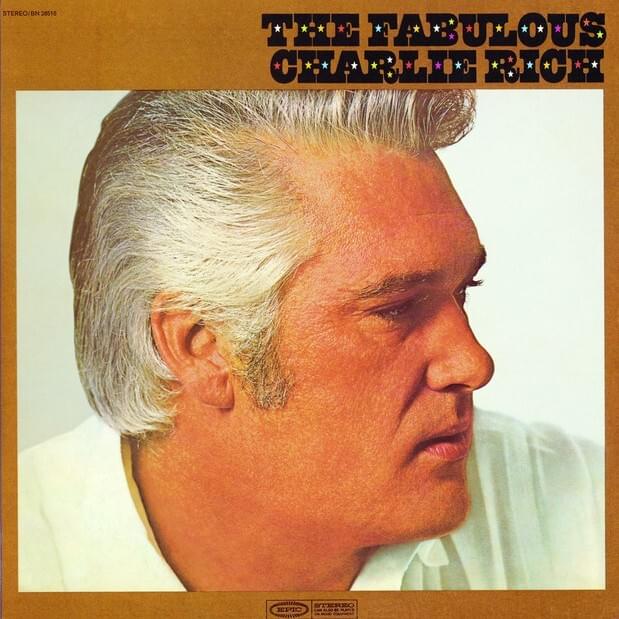
 View Artist