Song Meaning
The narrator is wrestling with how to express a profound feeling to someone they call "Lady." The opening lines immediately establish a sense of internal struggle, a desire to communicate something significant that has been held back. There's a palpable hesitation, a feeling that the usual words won't suffice for the depth of emotion being conveyed. The repetition of "Lady, lady" underscores a direct address, but also perhaps a searching quality, as if the word itself is a placeholder for a more complete understanding.
The central tension lies in the narrator's inadequacy with language. They admit, "Wish I had some words, never have been used," highlighting a frustration with the limitations of conventional expression. This isn't just about saying "I love you"; it's about wanting to articulate it in a way that feels entirely new and perfectly suited to the recipient. The repeated phrase, "That's the best that I can do," functions as both a confession of limitation and a plea for understanding.
The lyrics reveal a careful, almost anxious, approach to confession. The narrator explains their delay: "'Cause I wanted to be right / I wanted to be strong." This suggests a deep respect for the "Lady" and the significance of the moment, indicating a desire to present their feelings with clarity and conviction. The contrast between wanting to say "just so much more" and ultimately offering the simple, repeated "I love you" is where the emotional weight of the piece resides.
Ultimately, the effectiveness of these lyrics stems from their raw honesty about the difficulty of genuine communication. The narrator's struggle makes the eventual, simple declaration of love feel earned and deeply felt. It’s the vulnerability in admitting the inadequacy of words, combined with the persistent effort to express something vital, that resonates, making the repeated "I love you" feel like a hard-won, precious offering.
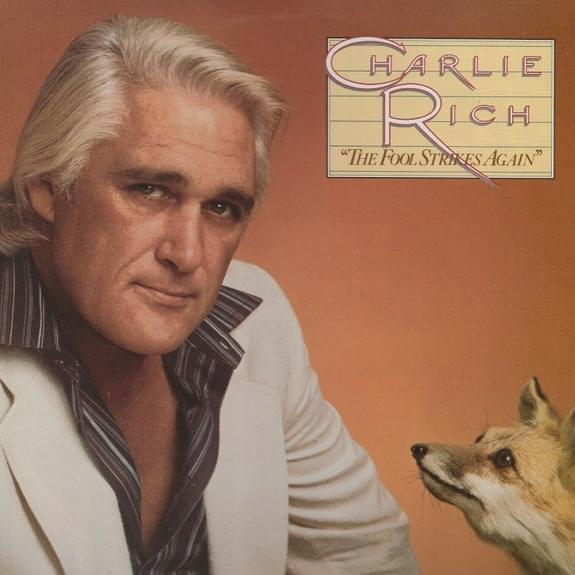
 View Artist