Song Meaning
This is a raw portrait of grief, where a photograph becomes a desperate anchor. The narrator clings to a static image, a "face in a frame," because the "real one" has been irrevocably "taken away." The dominant emotion is a profound sense of loss, amplified by the contrast between the silent, unmoving picture and the vibrant life it once represented. The lyrics establish a scene of solitary remembrance, where a simple object transforms into a vital lifeline against overwhelming sorrow.
The central tension lies in the narrator's struggle to hold onto a past love that no longer exists in reality. The "angel in glass" is a poignant metaphor for the idealized memory preserved in the photograph, a memory the narrator desperately needs to sustain them. This longing is palpable as they "long for the love that we knew," a love that is now only accessible through this "picture of you." The lyrics suggest a profound isolation, where the only connection to what was lost is through this tangible, yet ultimately inanimate, representation.
The most striking craft element is the deliberate juxtaposition of the photograph's limitations with its immense power over the narrator's emotional state. The "lips that have nothing to say" are contrasted with the "important" role the image plays, serving as a source of strength. The repeated phrase "Here's to a love that we knew" and "Here's to a picture of you" highlights the narrator's ritualistic attempt to invoke the past, finding a fragile solace in the act of toasting a memory. This ritual, performed with "wine and the glass," underscores the solitary nature of their mourning.
What makes these lyrics hit so hard is their unflinching portrayal of how memory can become both a comfort and a torment. The photograph isn't just a reminder; it's a tool for survival, a way to "stay me if I lose my nerve." The narrator's reliance on this silent, uncommunicative image for emotional fortitude speaks volumes about the depth of their loss and the desperate measures grief can inspire. It's a powerful depiction of clinging to the remnants of what was, even when those remnants are just a "face in a frame."
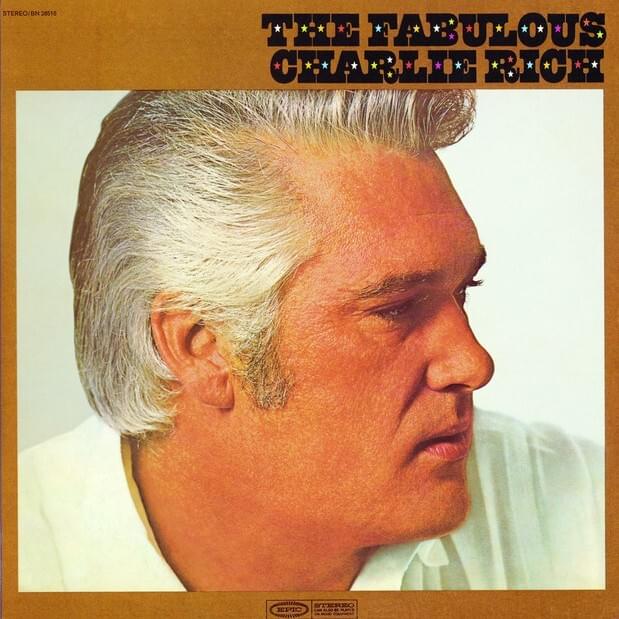
 View Artist