Song Meaning
The lyrics paint a stark picture of a relationship strained by constant conflict. The narrator repeatedly wonders about a future where harmony exists, but the present reality is one of discord. This longing for peace is juxtaposed with the immediate, practical measure of confining a dog to the backyard, suggesting a desire to shield an innocent party from the harshness of their arguments. The repetition of "I wonder what it would be like" underscores a deep-seated hope, yet the persistent "I wonder if the dog will howl" hints at a fear that their fighting is an inevitable, almost instinctual, reaction.
The central tension lies in the contrast between the ideal of getting along and the lived experience of disagreement. The dog, an observer outside the immediate conflict, serves as a barometer for the emotional climate. Its potential howling is a direct consequence of the couple's inability to find common ground, a sound the narrator wants to avoid. This creates a peculiar dynamic where the externalization of their internal strife is projected onto the animal, highlighting the destructive nature of their arguments.
The most striking craft element is the subtle but crucial shift in the lyrics concerning the dog's confinement. Initially, the dog is kept outside "Cause I don't want that hound dog / To hear us disagree." However, this is later inverted to "Cause I don't want that hound dog / To hear us agree." This jarring alteration suggests that even agreement, or perhaps the pretense of it, is seen as unnatural or even undesirable, further complicating the narrator's desire for peace. The repeated "Shh, shh, quiet as a mouse" acts as a desperate plea for silence, a temporary dam against the inevitable storm of words.
Ultimately, the effectiveness of these lyrics stems from their raw, almost uncomfortable honesty about relationship struggles. The simple, domestic imagery of a dog in the yard becomes a potent metaphor for the collateral damage of conflict. The narrator’s repeated questioning and the unsettling inversion of the dog's confinement reveal a complex emotional landscape, where the desire for peace is tangled with a resignation to, or even a strange discomfort with, genuine harmony.
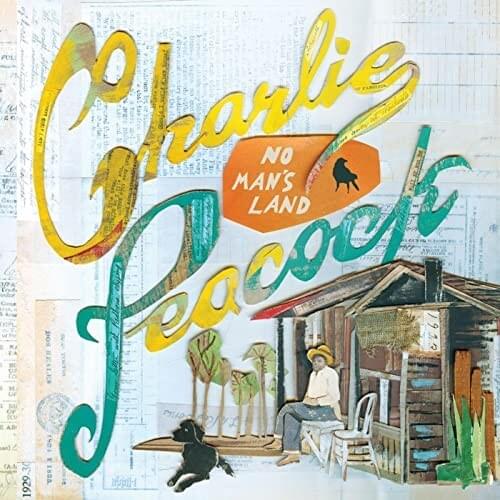
 View Artist