Song Meaning
Charlie Musselwhite's "Where Hwy 61 Runs" isn't just a song; it's a baptism. From the opening line, he establishes a lifelong, almost predestined relationship with the blues. The road itself, Highway 61, becomes a metaphor for a journey—not just across geographical space, but through the interior landscape of the soul. This isn't a Sunday drive; it's a pilgrimage to the wellspring of American blues, a place where pain and resilience intertwine. The lyrics suggest the blues aren't merely a genre; they're an inescapable inheritance, a constant companion from childhood forward. The world, in turn, becomes a home, a boundless expanse defined by the endless miles of experience. The initial verse introduces both the personal history and the geographical anchor of the song, setting the stage for exploration. Highway 61 isn't just a road; it's a pathway to understanding. It stretches, as the song says, from his back door to the setting sun, symbolic of both origin and destination, the known and the unknown. It grounds the spiritual exploration in the reality of place.
The river, a classic blues trope, offers solitude and introspection. Musselwhite isn't seeking escape; he's seeking communion. The blues aren't just music; they're a confidant, a lifelong friend. Even clouded vision doesn't diminish the power of this connection; the soul endures, shaped and strengthened by the blues. The lyrics are less about despair and more about acceptance, a hard-won peace with the weight of experience. The highway itself is personified as the birthplace of the blues, imbued with a primal, almost mystical force emanating from the earth itself. To travel this road, to truly understand the music, is to undergo a transformation. Isolation dissolves; one becomes part of a larger narrative, connected to the shared history of the blues.
Ultimately, "Where Hwy 61 Runs" presents the blues not as a burden, but as a source of empowerment. The final verse encapsulates this sentiment, highlighting the transformative power of the blues and the sense of belonging it provides. The listener is promised a fundamental change, an escape from loneliness, and a claim to ownership over their own world, all through connection to the blues tradition. This isn't just about listening to music; it's about finding your place within a lineage, a community forged in hardship and expressed through song. The song suggests the blues provides the listener with a sense of belonging and empowerment. Musselwhite's song isn't just a performance; it's an invitation, a call to embark on a journey of self-discovery guided by the enduring spirit of the blues.
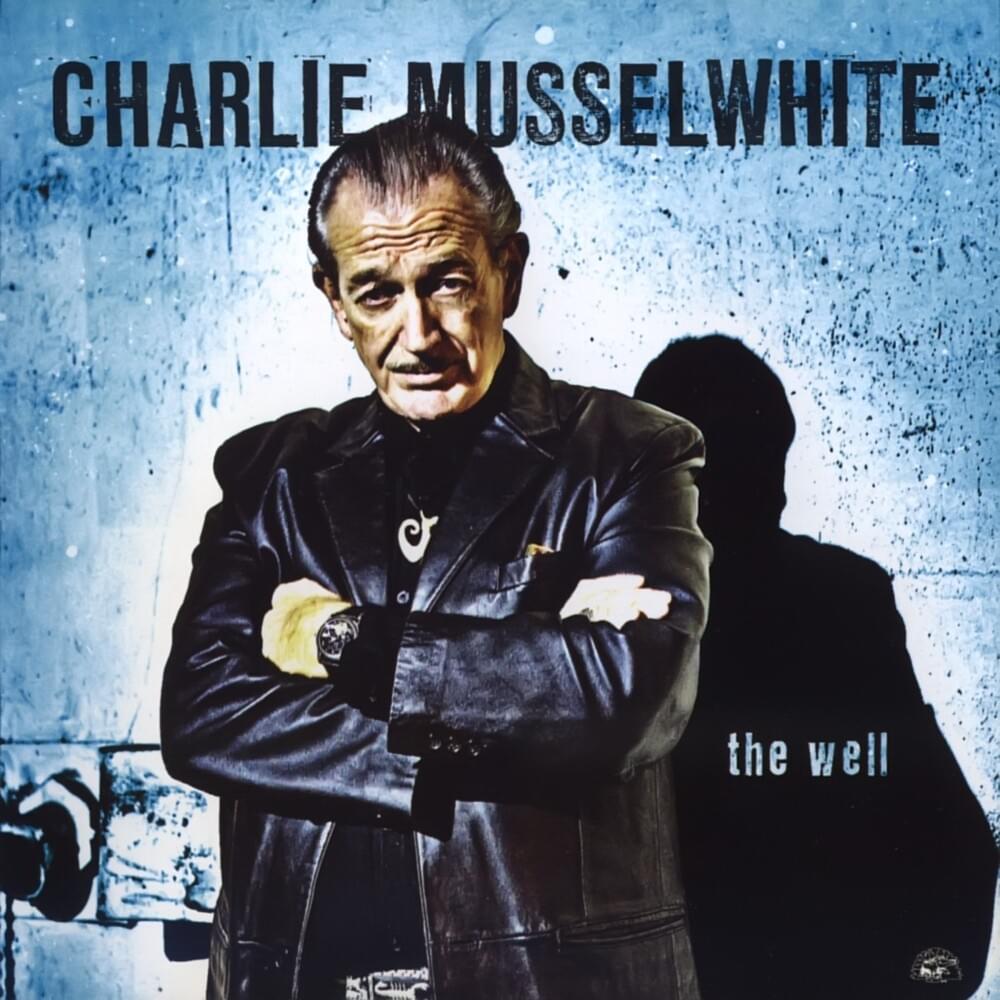
 View Artist