Song Meaning
{"song_id": 13618710, "meaning": "Charlie Musselwhite's \"The Blues Overtook Me\" isn't just a song; it's an origin story, a bluesman's creation myth distilled into raw confession. The central image – the blues as a force that \"overtook\" him in childhood – suggests an almost predestined path. This wasn't a choice; it was an inheritance, a shadow cast long before he had any say in the matter. The repetition of this line throughout the song reinforces the idea of an inescapable fate, a constant companion shaping his existence. Musselwhite isn't romanticizing suffering; he's acknowledging its foundational role in his identity. It's the bedrock upon which his music, his persona, and perhaps even his very survival are built. 
The recurring mention of \"fast women and whisky\" serves as both a symptom and a symbol of this blues-drenched existence. These aren't just vices; they're coping mechanisms, desperate attempts to navigate a world colored by that initial, overwhelming encounter with the blues. They represent the immediate gratification sought to numb the deeper pain, a temporary escape from the ever-present shadow. The lyrics paint a picture of a man caught in a cycle, where the blues fuel the self-destructive behavior, and the behavior, in turn, deepens the blues. This feedback loop is a classic blues trope, but Musselwhite delivers it with a weary resignation that feels deeply personal. The song meaning hints at the cyclical nature of the blues: it is both the cause and effect of the singer's actions.
But \"The Blues Overtook Me\" isn't solely about despair. There's a subtle undercurrent of resilience woven into the narrative. The lines about hitting the highway and packing up his trunk suggest a restless spirit, a refusal to be completely consumed by the darkness. He's not just wallowing; he's moving, searching, perhaps even hoping for a glimmer of light. The blues may have made him \"wild,\" but it hasn't broken him. The final verses acknowledging the inevitability of being overtaken by the blues even during escape attempts, further solidifies the idea that the blues is an inescapable presence that will always be a part of him. This acceptance, even if tinged with melancholy, is itself a form of strength, a testament to the enduring power of the human spirit to find meaning and even beauty in the face of profound sorrow. The song's enduring appeal lies in its brutal honesty, its unflinching portrayal of a life shaped by the blues, and its quiet celebration of the will to keep moving, keep searching, even when the darkness seems overwhelming."}
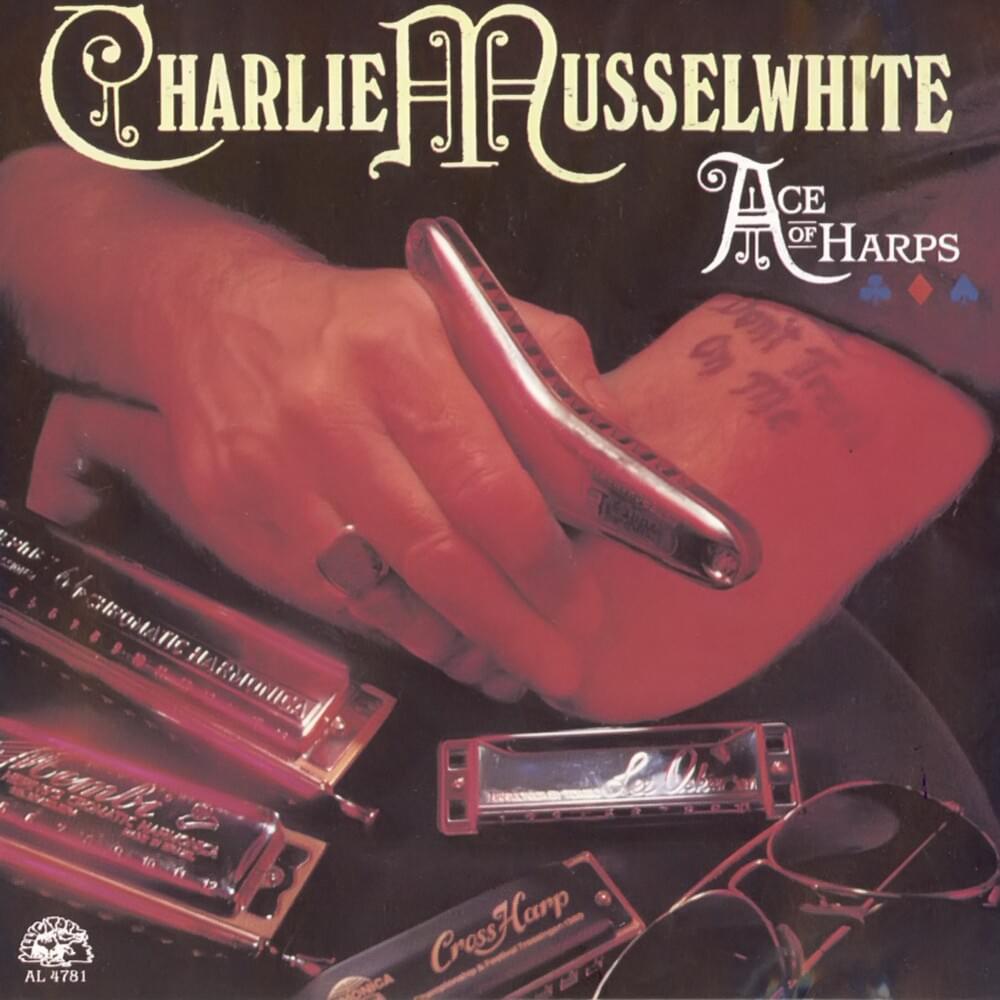
 View Artist