Song Meaning
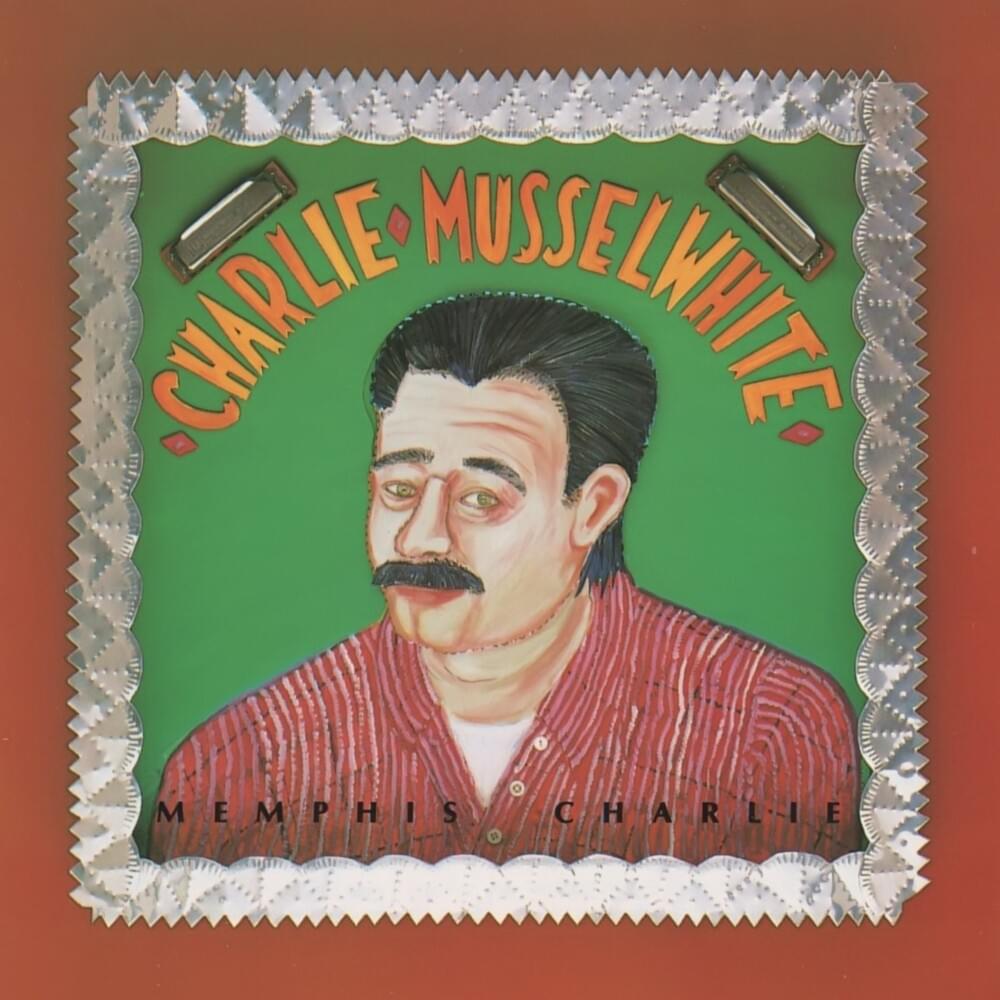
Charlie Musselwhite's "Take Me Back" isn't just another blues lament; it's a raw, exposed nerve of desperation, a primal scream echoing through the Delta. The track centers on the bluesman's plea for reconciliation, a desperate "Take me back, baby," repeated like a mantra against the looming specter of heartbreak. But the genius lies not just in the simplicity of the request, but in the implied power dynamic. This isn't a negotiation; it's a supplication. The singer is utterly, devastatingly at the mercy of his lover's whim.
The lyrics paint a portrait of a love that predates understanding, a deep-seated infatuation that borders on obsession. "I was in love with you, baby, 'fore I learned to call your name," he confesses, suggesting an almost pre-cognitive connection, a soul-level yearning. This isn't a casual crush; it's an intrinsic part of his being. He acknowledges his own failings ("I'm a fool and I don't understand"), further humbling himself in the hope of redemption. The stark admission is less about seeking absolution and more about conveying the totality of his devotion. He's laying bare his flaws, offering them as collateral in exchange for another chance.
The torment is amplified by the lover's indifference. "You stay cool all the time," he observes, highlighting the agonizing contrast between his own frantic emotional state and her detached demeanor. This coolness isn't just emotional distance; it's a weapon, wielded with precision to maintain control. Even in the face of a potential goodbye, he clings to the hope that it's merely a test, a temporary torment: "I know it's just to worry, hope it don't last too long." Ultimately, "Take Me Back" is a study in vulnerability, a masterclass in how Musselwhite transforms personal anguish into a universal expression of longing and the torturous dance of love and power.
 View Artist