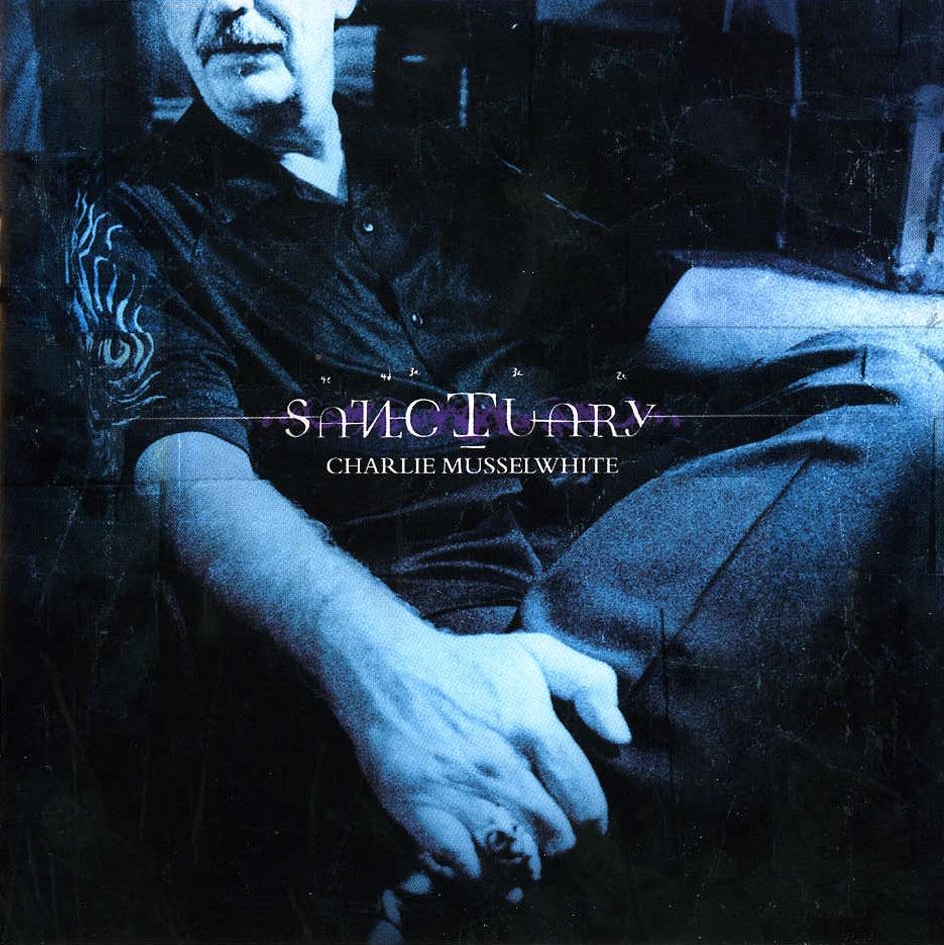
Song Meaning
Charlie Musselwhite's "Homeless Child" isn't just a blues lament; it's a stark psychological portrait of abandonment and the desperate search for connection. The recurring phrase "Homeless child" cuts deeper than a simple statement of housing insecurity. It speaks to a primal yearning for belonging, a fundamental human need for safety and acceptance stripped bare. The lyrics paint a picture of existential isolation, where the lack of a physical home mirrors an internal state of being unmoored. The lines, "Nowhere here/To call my home/No one near/To call my own," echo the devastating impact of social alienation on the human psyche. It is the type of loneliness that leaves you feeling invisible, as if you don't exist.
The song's emotional core lies in its exploration of the psychological impact of prolonged uncertainty. The lyrics, "There is no night/And there is no day/It is all/One shade of gray," suggest a flattening of affect, a numbing response to constant stress and trauma. This "gray" existence reflects a loss of hope, a blurring of boundaries between despair and resignation. The repeated question, "What is left/For the homeless child," is not merely a plea for material assistance, but a profound inquiry into the value of a life lived on the margins, a questioning of whether society sees any worth in those it has cast aside. Musselwhite's lyrical analysis exposes the raw vulnerability beneath the surface of homelessness.
Ultimately, "Homeless Child" is a plea for empathy. The lines, "Sure not much/But it's my best/I just need/Some place to rest," reveal a quiet dignity in the face of overwhelming hardship. The speaker's humble request to "be your guest" highlights the basic human desire for shelter and a brief respite from the storm. This isn't about enabling dependency; it's about recognizing the shared humanity that binds us all. Musselwhite doesn't offer easy answers or sentimental platitudes. Instead, he forces us to confront the uncomfortable reality of homelessness and the psychological toll it takes on individuals, urging us to see beyond the label and acknowledge the person within.